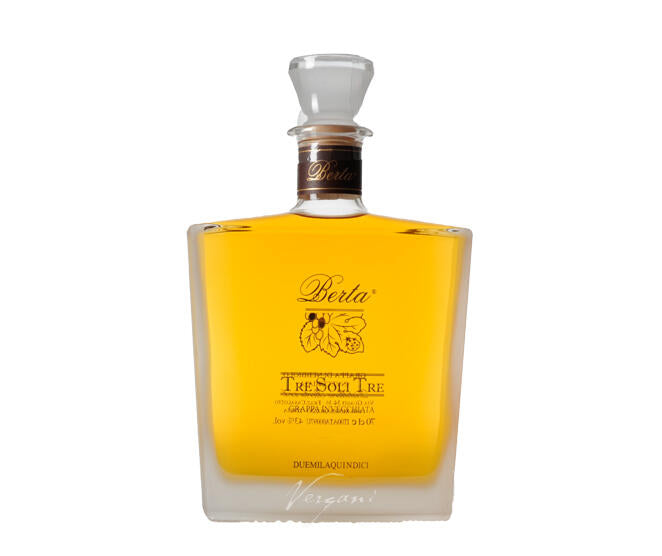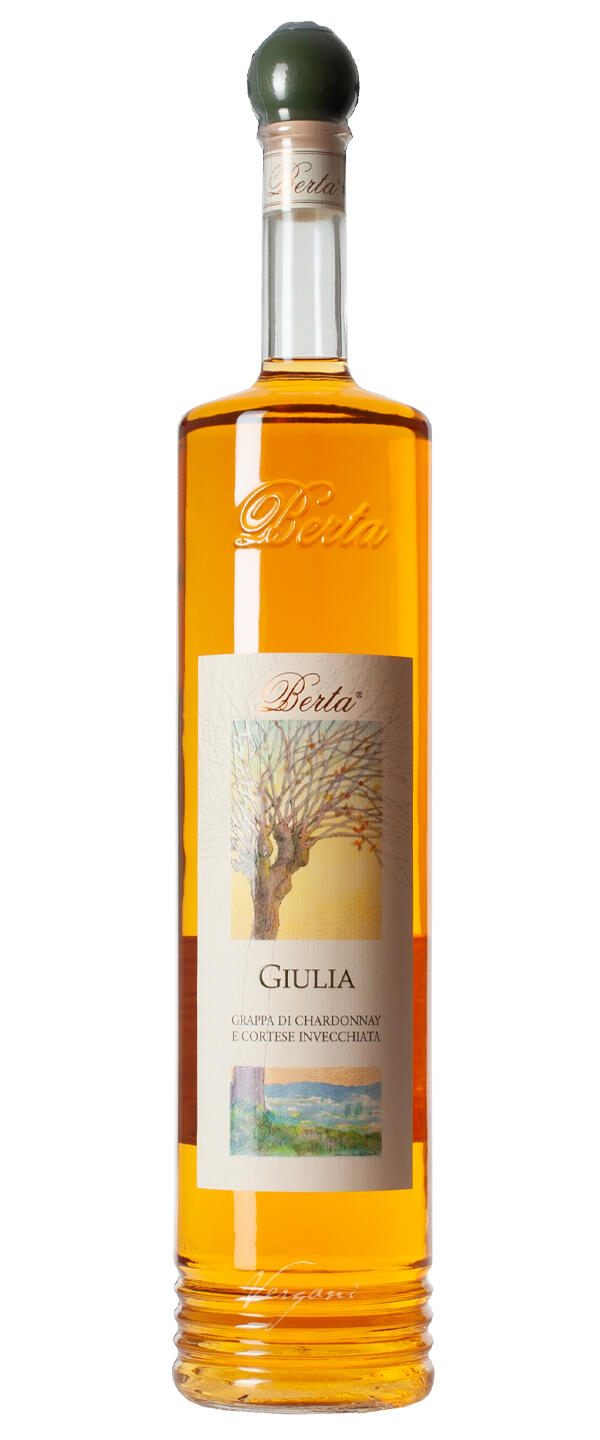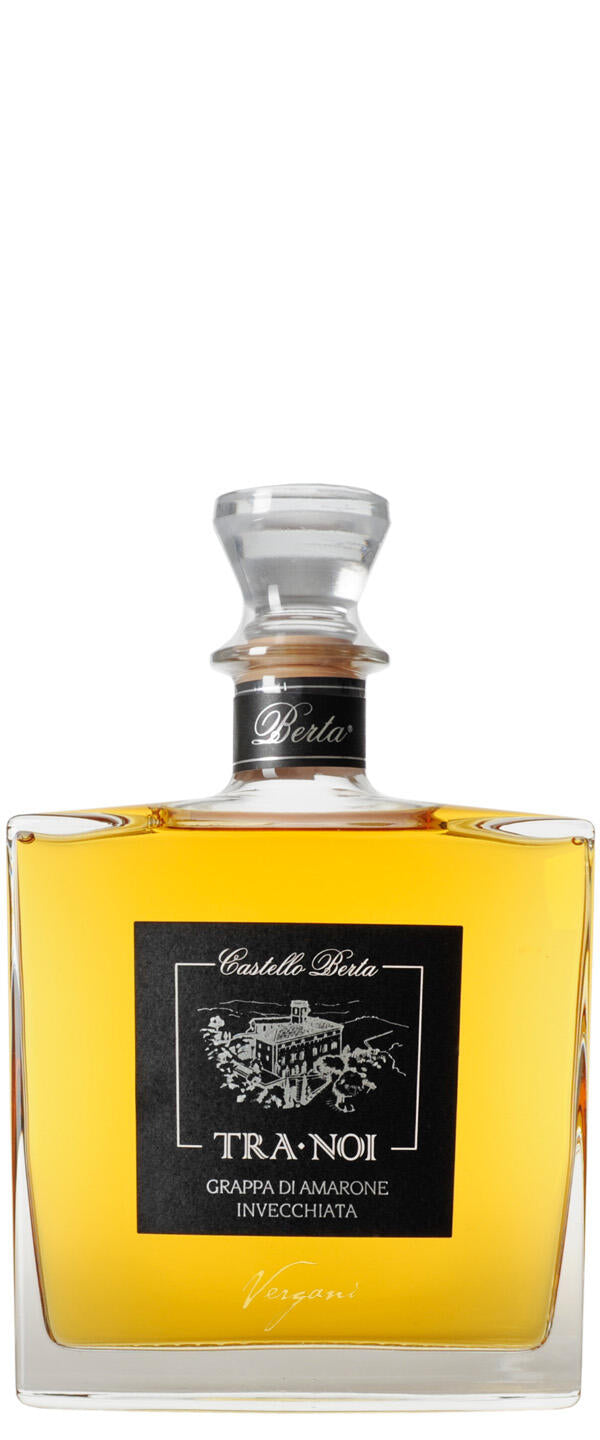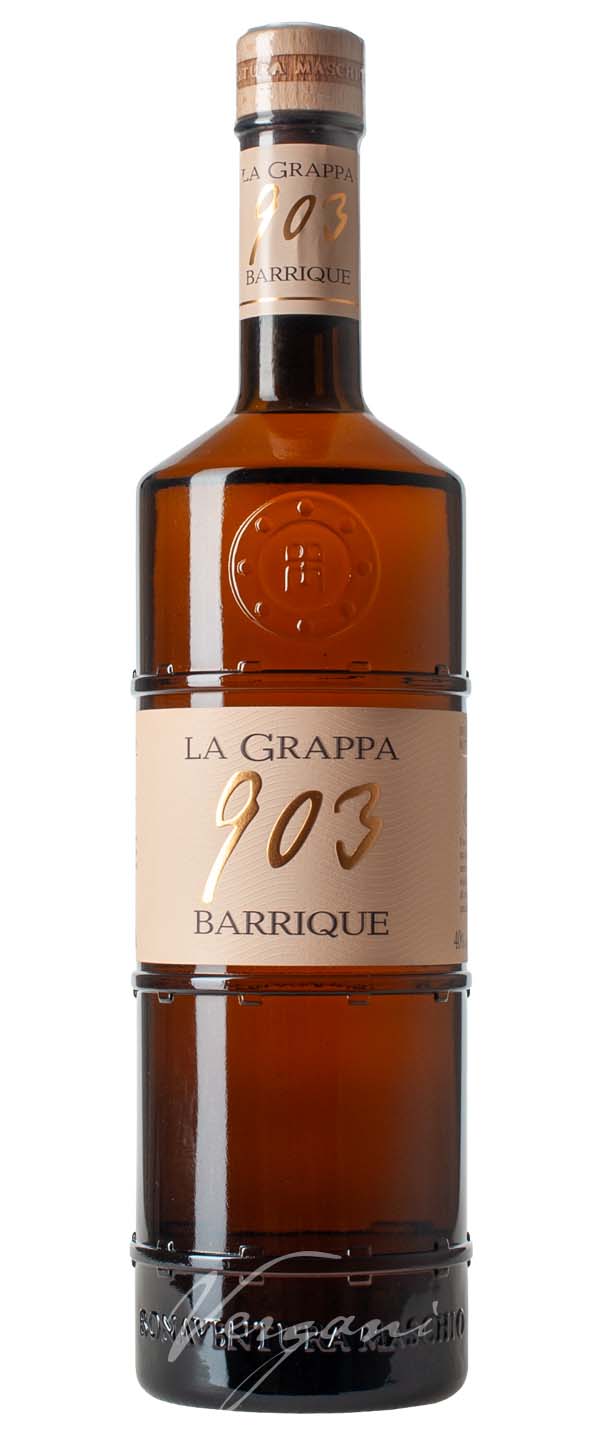


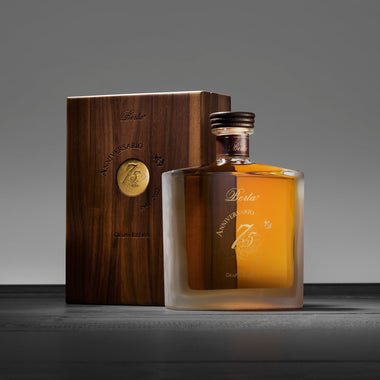


“My favorite grappa comes from the house of Berta and is called Marisa,” says Lars Müller. Well-read Amici know the story behind the name and the exclusive collaboration between Berta and Vergani. “Marisa was the grandmother of the Vergani generation that is now in charge,” Lars enthusiastically explains. For him, this grappa – besides its exclusivity and origin story – is also an exceptionally elegant, strong, and expressive showcase example in terms of taste. So this is what it sounds like when Lars Müller is in his element, because his element is grappa. As a trained and certified sommelier, he represents a contemporary, well-founded, and pleasure-oriented approach to spirits.
And he knows what he’s talking about. As a sommelier, graduate of the Swiss Hotel Management School Lucerne (SHL), and former manager of the “Weisses Rössli” in Zurich, he combines sensory precision, business understanding, and lived gastronomy experience, which he also passes on to his customers. A credible combination that makes him the perfect mediator between product, kitchen, service, and guest. But don’t worry, Lars is there for all Amici, even at Löwenplatz. In his role, he not only imparts knowledge but also breaks down prejudices and creates enthusiasm through his lived stories for a distillate that unites artisanal precision, regionality, and sensory depth.
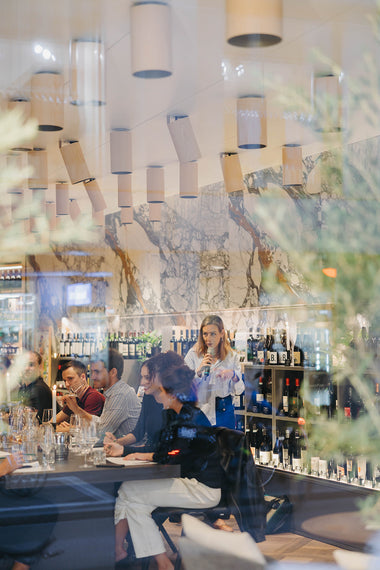
“Grappa should once again take the place it deserves in gastronomy,” he believes. And that’s exactly how he designs his tastings, which he organizes tailor-made for passionate Amici as well as for service teams, sommeliers, restaurateurs, or the specialty trade. “It’s fun because I don’t see grappa as a folkloric digestif cliché but rather as a precise, terroir-related, and exciting complement that deserves to be rediscovered,” says Lars Müller. Next time, ask him which grappa he would pair with your favorite dessert…
Your Questions
We regularly receive exciting questions. Our grappa expert answers them. This time:
“What does the perfect grappa glass look like?”
Number one: Do not use shot or stamper glasses for grappa. Those are only good for brushing your teeth. We recommend thin-walled glasses with stems. So far, so clear. Now it gets tricky, because just like with wine, there are different grape varieties, production methods, and of course aging levels for grappa. Five suggestions for five styles:
Giovane
For young, clear, and floral grappas, we recommend the small to medium-sized, tulip-shaped nosing glass with a narrow chimney and conical shape. The classic.
Aromatica
For intensely aromatic, ethereal, and “perfumed” grappas, we think of a tall, slender, tulip-shaped stem glass with a narrow opening.
Monovitigno
For single-varietal, briefly aged, and structured grappas, we use a classic, medium-sized, slightly open tulip glass with a stem.
Affinata
For grappas that have been briefly aged in wood and smell of roasted aromas, vanilla, or spices, we use a wider tulip glass or a vertically opened cognac glass, but not a balloon-shaped brandy glass.
Riserva
For long-aged, complex, round, and balsamic grappas, we recommend a universal nosing glass with a stem or a modern, elegant, not too bulbous armagnac glass.