






Did you know that time is also the most important ingredient in making pasta? And that Gragnano is considered the home of Italian pasta? At Pastificio dei Campi, everything comes together to delight pasta lovers and even impress top chefs such as Massimo Bottura. Made using traditional methods and an uncompromising commitment to quality, the pasta is produced from carefully selected Italian durum wheat. Drawn through bronze dies, it acquires a rough surface with an exceptional ability to absorb sauces perfectly. Slowly dried at low temperatures, the pasta shapes retain the perfect bite when cooked. Each shape tells its own story—from the impressive Spaghetti Lunghi to the distinctive Paccheri. Pasta hardly gets more authentic than this.
Long pasta
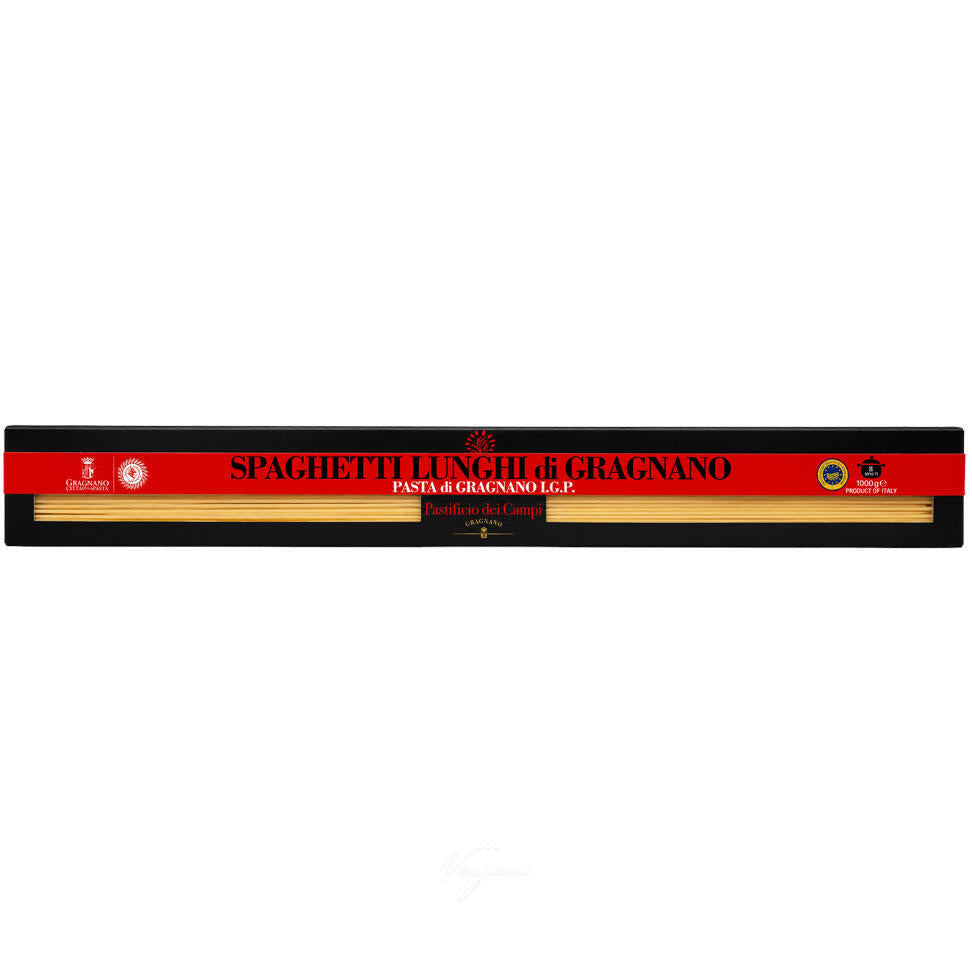
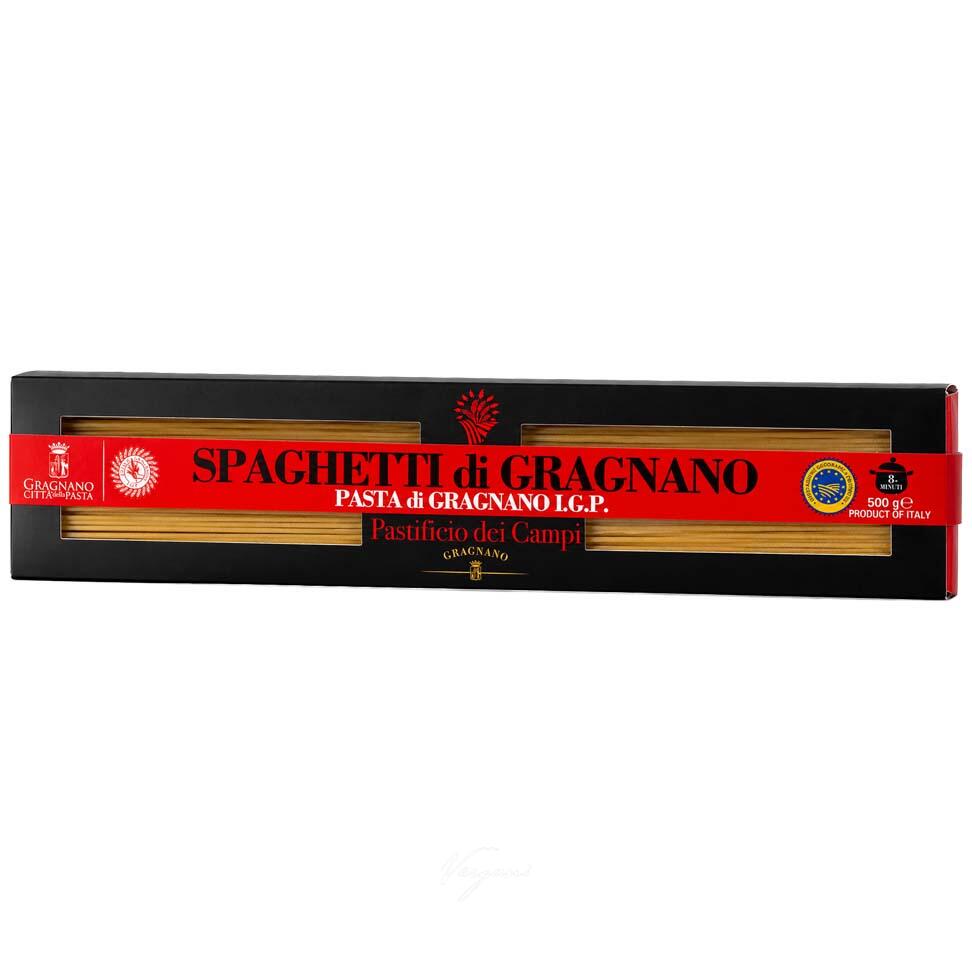
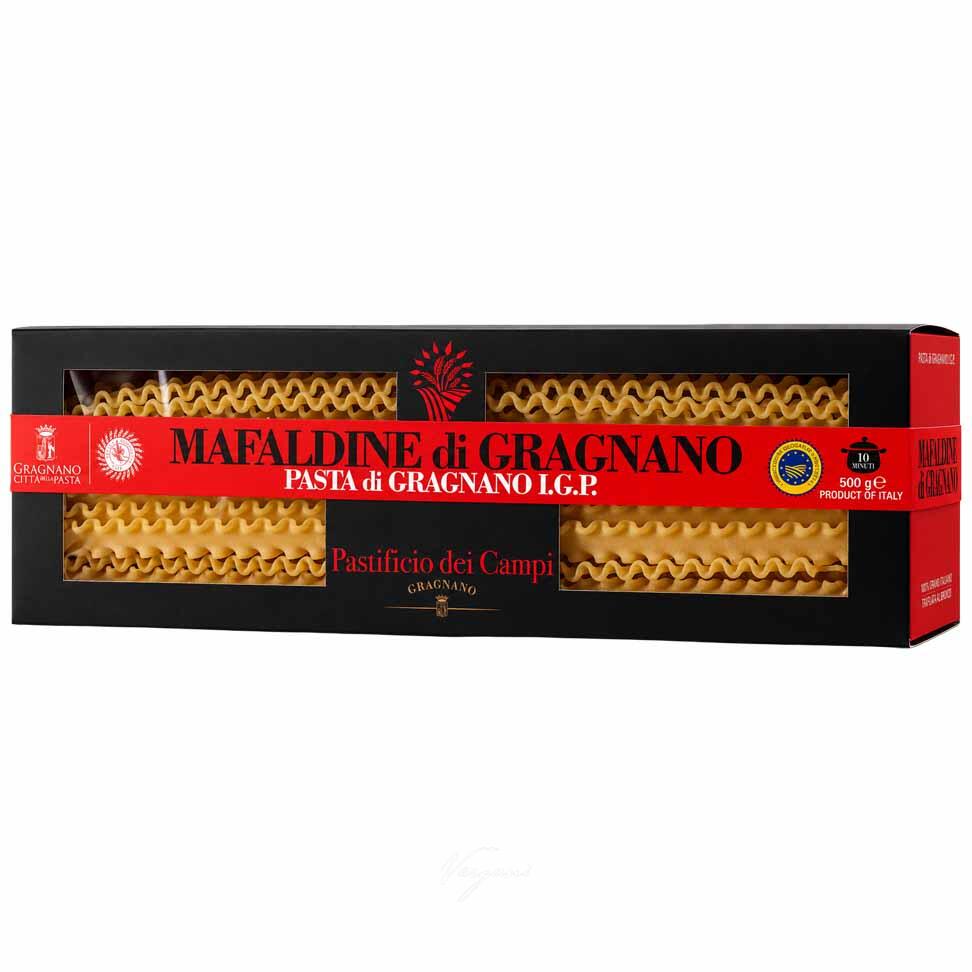
Spaghetti in two lengths and Mafaldine with a wavy edge, all rough enough for the sauce to cling to them. The spaghetti lunghi come in a one-kilo pack for Sunday with the whole family, while the Mafaldine are the Ferrari of ribbon pasta when ragù or colatura hits the table. Eleven minutes, not one second less.

Short pasta
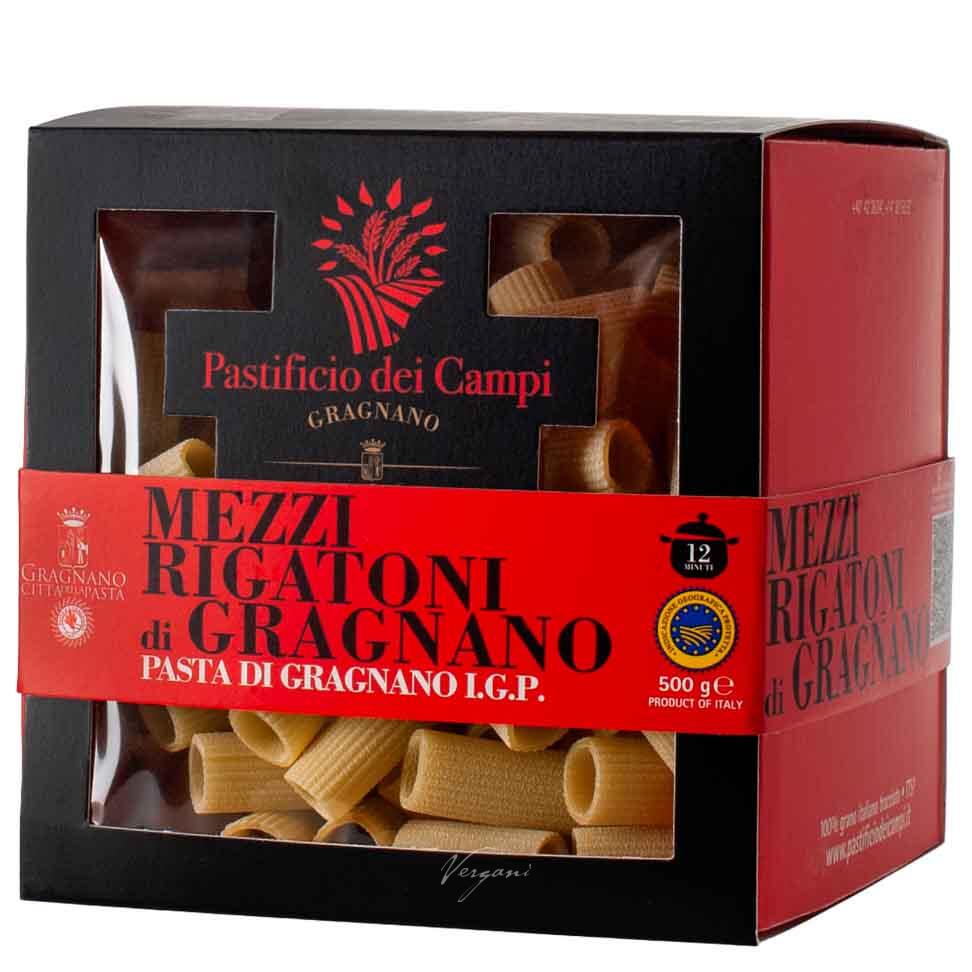
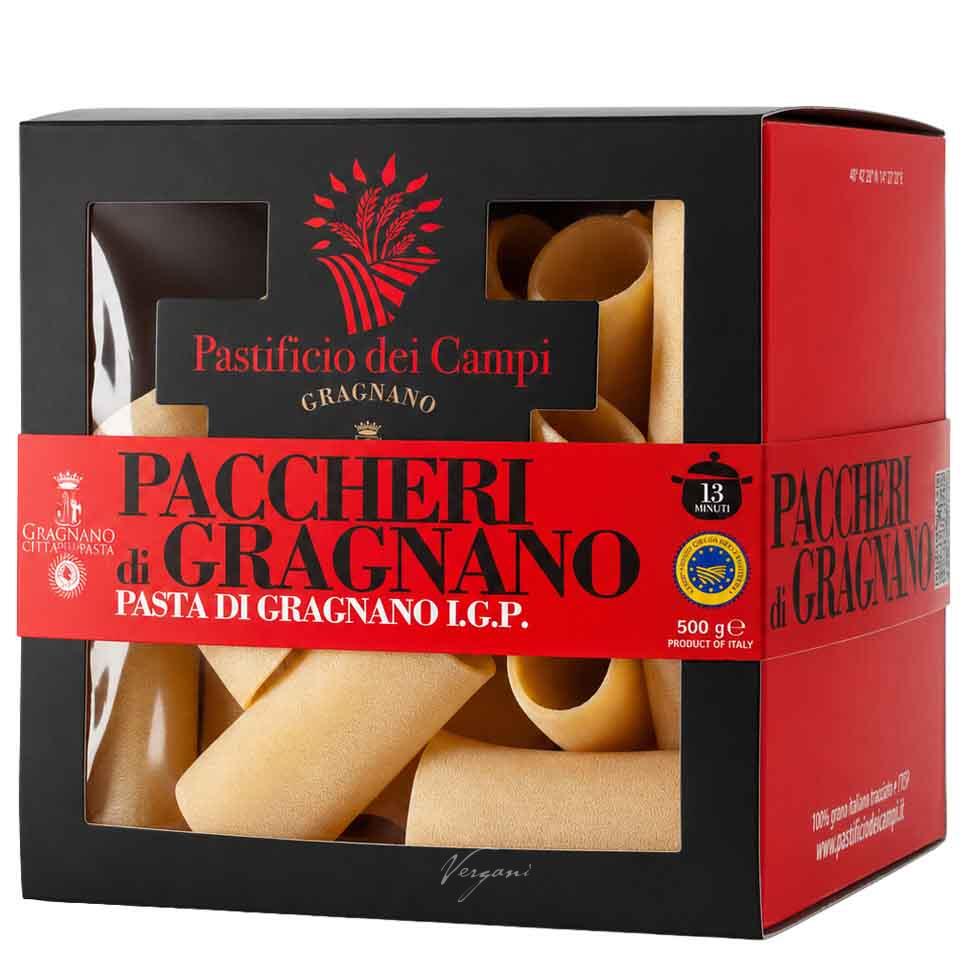
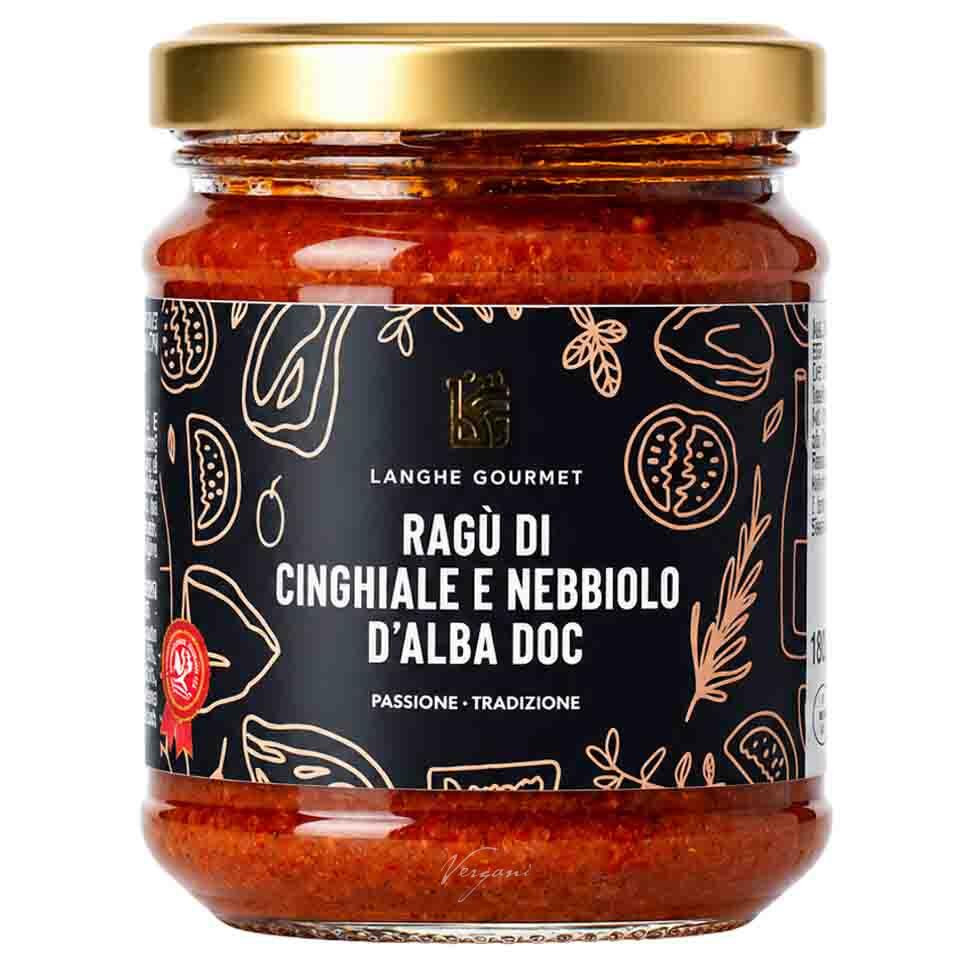
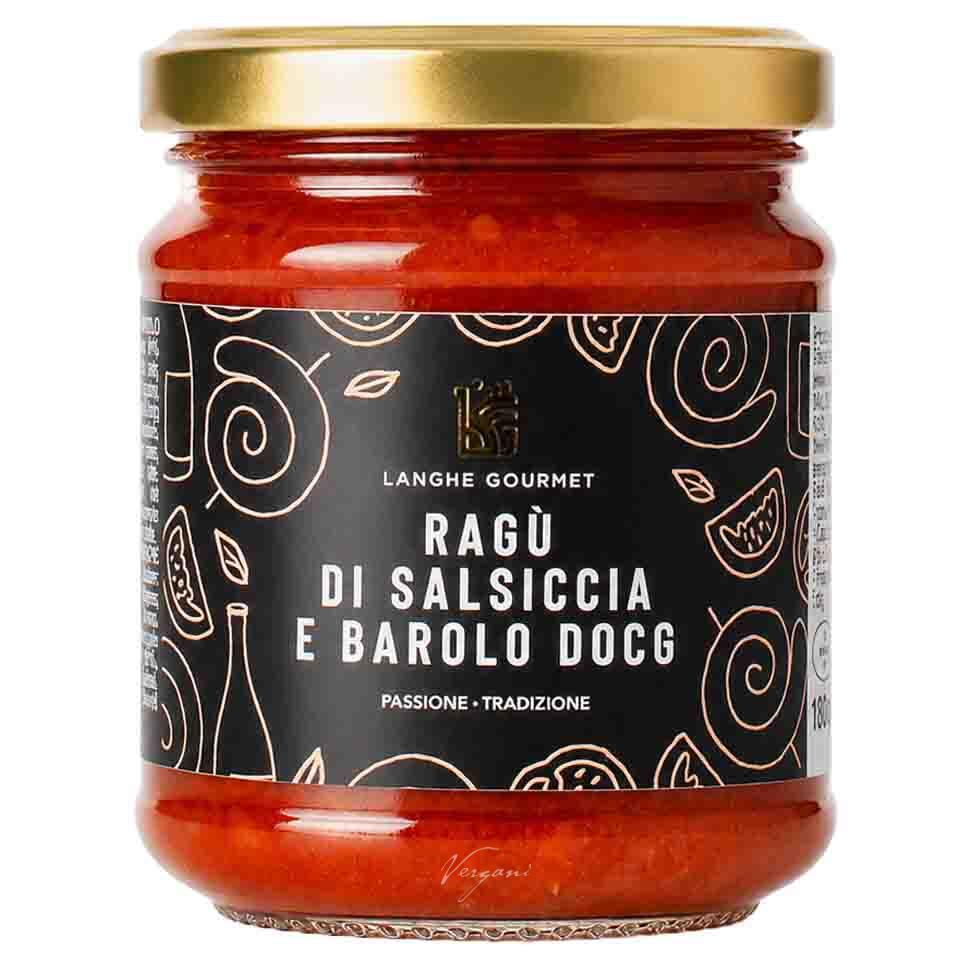
Paccheri are the large tubes from Naples, while Mezzi Rigatoni are their smaller cousins from Gragnano. Both call for something hearty: Ragù di Cinghiale, Salsiccia with Barolo, a tuna sugo. They catch the sauce and don't let it go. That's how simple pasta is.
Sauces and Ragù
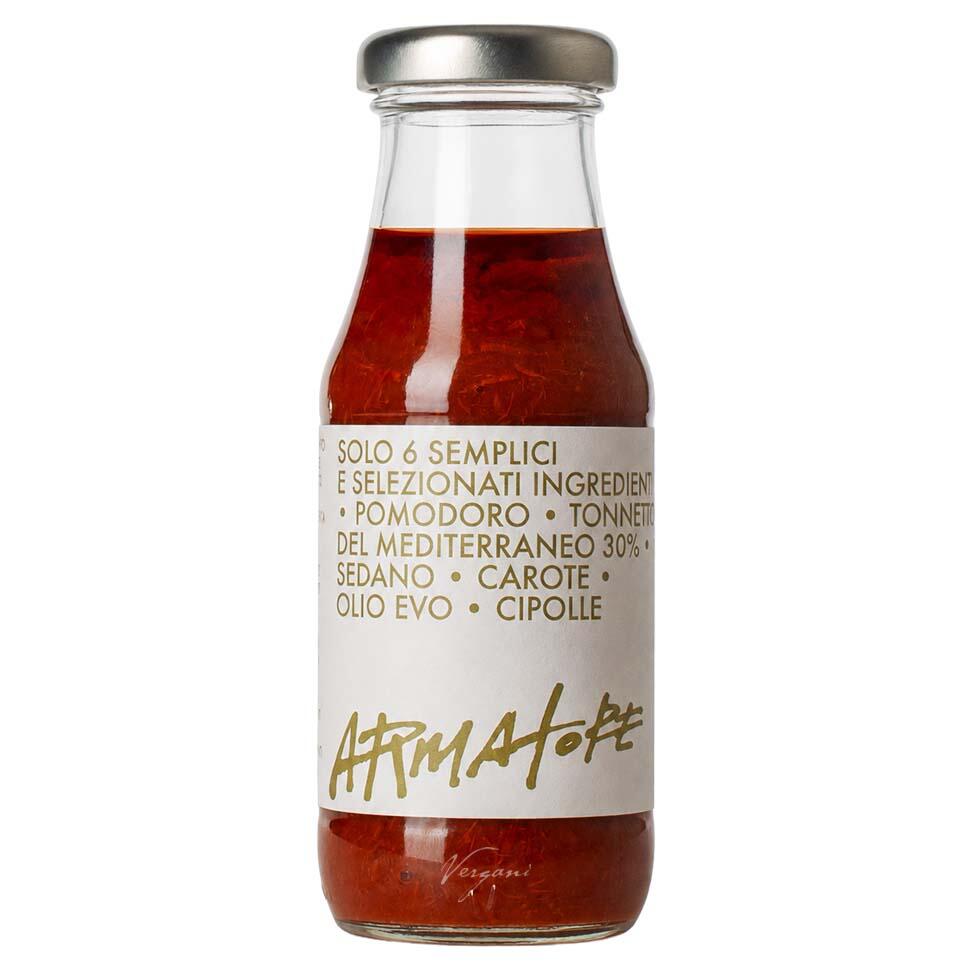
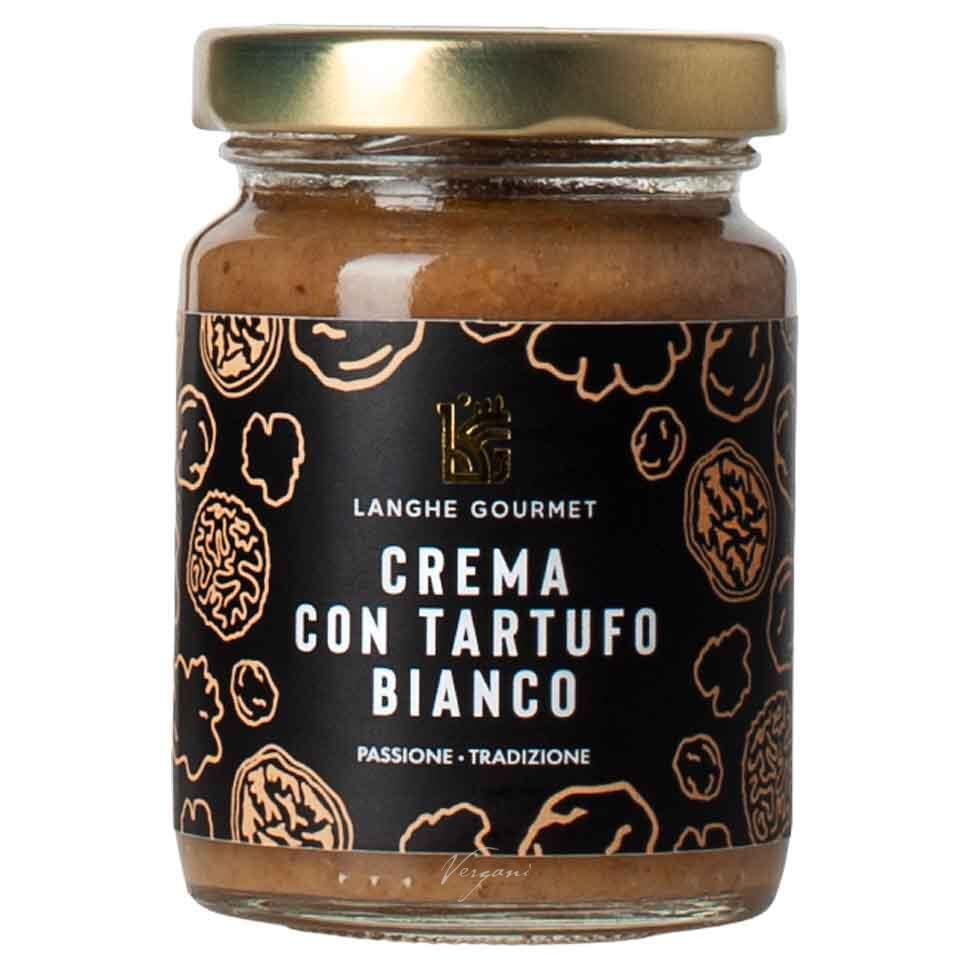
Pasta from Gragnano deserves more than pesto from the refrigerated aisle. That’s why there are four jars here that you simply unscrew and you’re done: a tuna and Datterini tomato sugo from Armatore for the coast, two ragùs from Langhe Gourmet, with wild boar and salsiccia braised in Nebbiolo and Barolo, for the north. And the white truffle cream for when it’s Tuesday but you still want something special. Heat it up, add the pasta, and enjoy.
Hand-packed, with a face
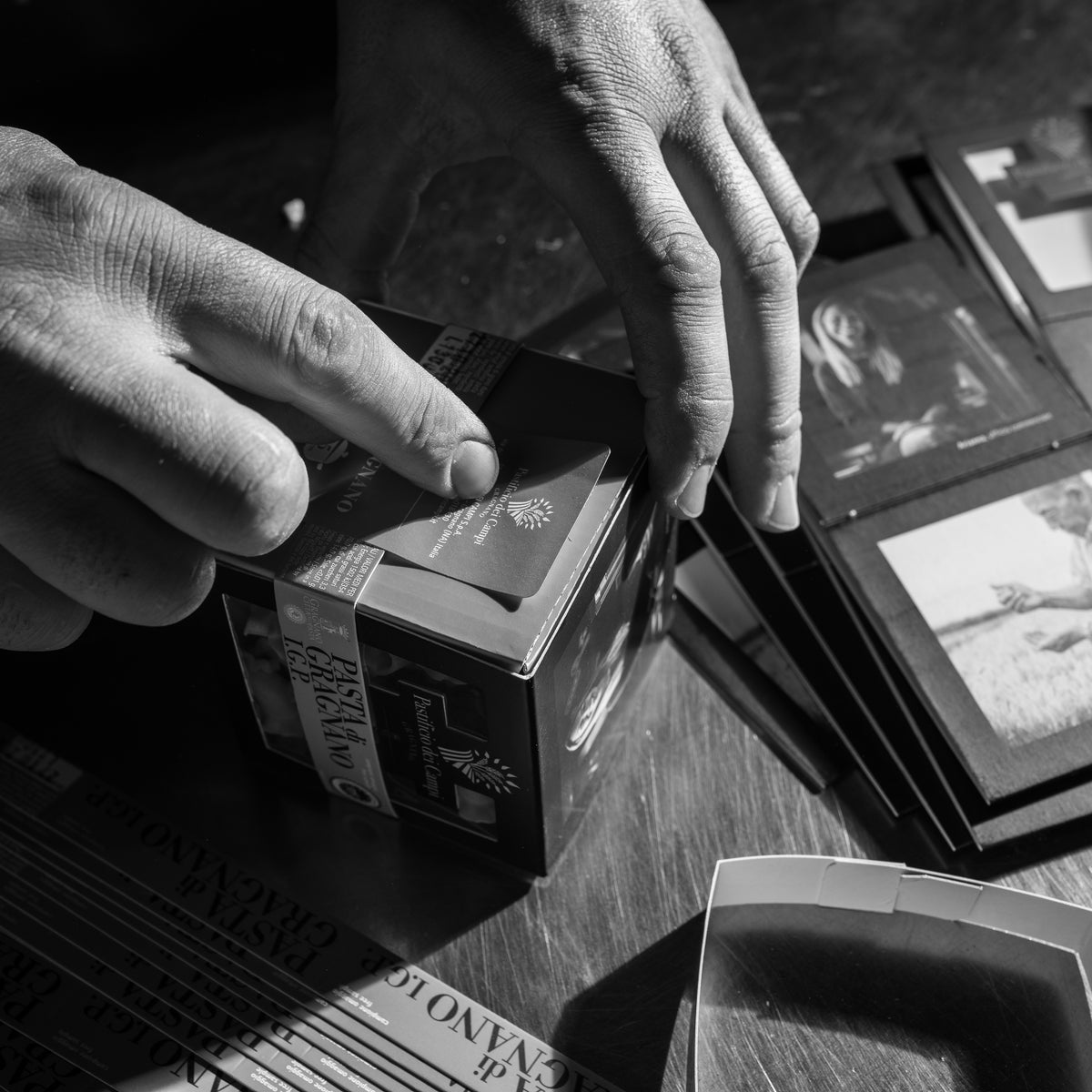
Each box is folded by hand in Gragnano, and each one lists the people behind it: the farmer, the miller, the packer. So anyone who buys the pasta knows not only where it comes from, but also their names. That is more transparency than most wineries offer. We do not say that lightly.
It has to be rough.
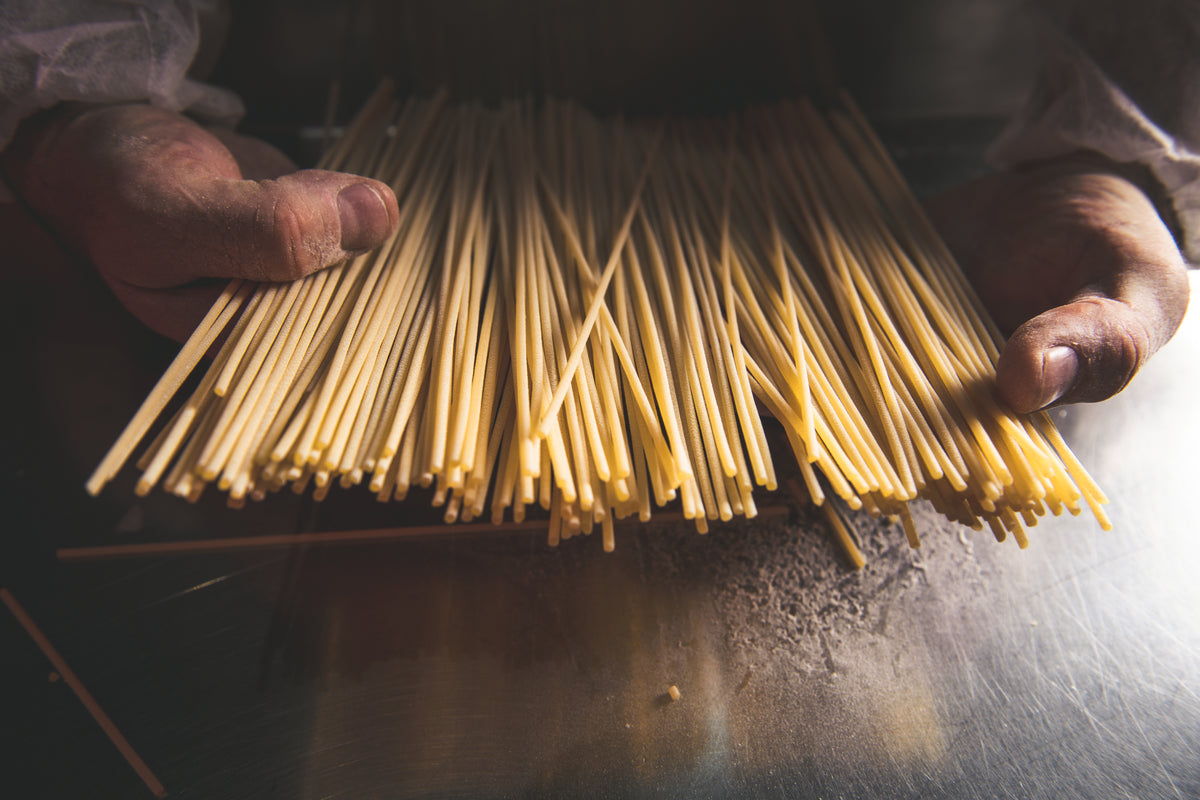
Fresh from the bronze die, still soft, still warm: This is what pasta looks like before it is allowed to dry for up to 60 hours at a maximum of 52 degrees. This keeps the surface dull and porous - the reason the sauce later clings to the spaghetto instead of pooling on the plate. Patience is an ingredient here.
The drawing die
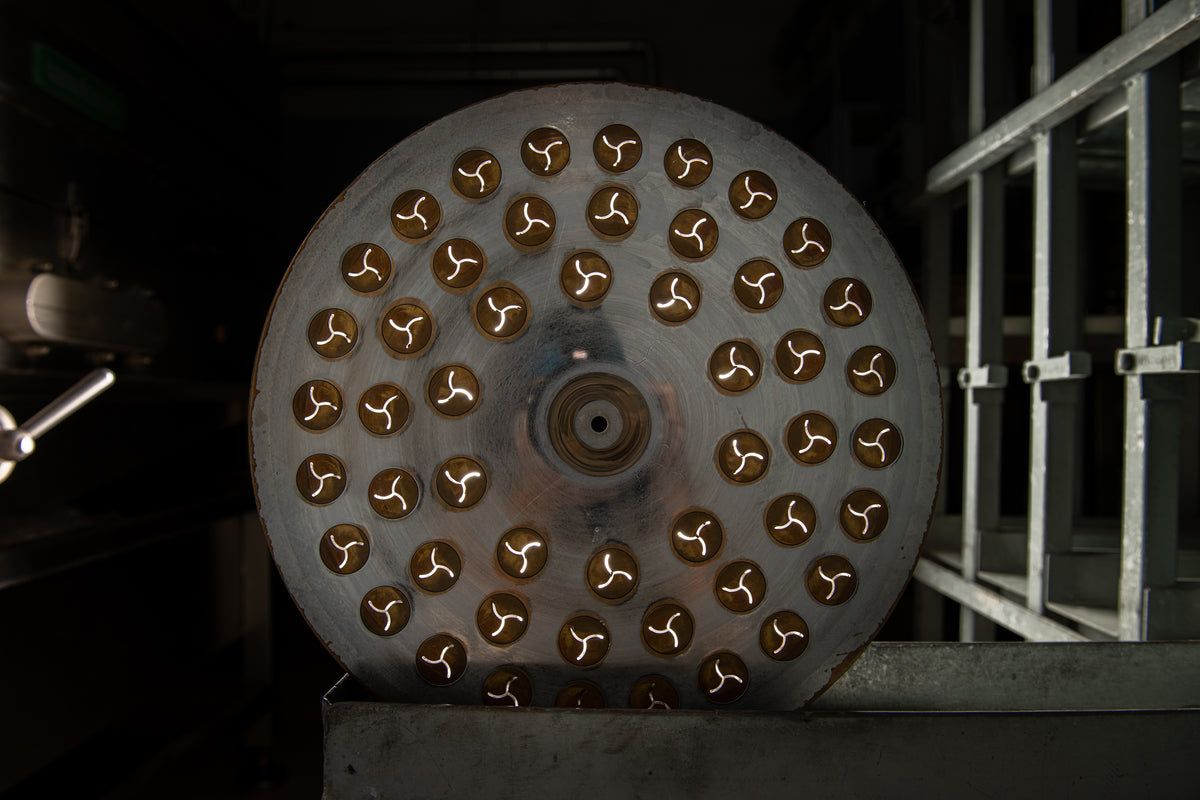
There it is, the bronze die through which the dough is pressed. Teflon would be faster and smoother; bronze roughens the surface and leaves those fine scratches that are later filled with ragù. A tool from the 19th century that no engineer has been able to improve to this day. Fortunately.
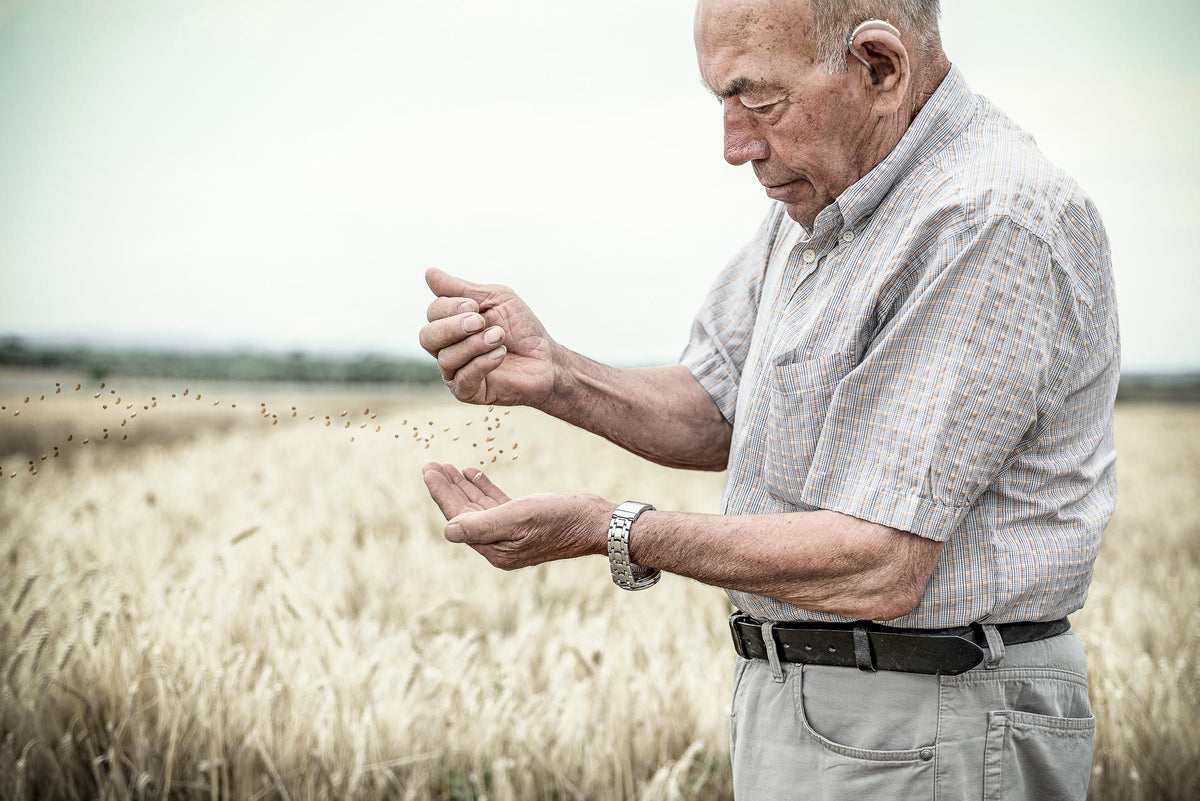
Where it all begins
Durum wheat from the Subappennino Dauno in Apulia, a three-year crop rotation, every field documented. The man checks the grains as his father did, and the pasta maker knows every plot the semolina comes from. So you can use a QR code to see where the spaghetti was grown. Who else does that?
Hand-packed, with a face
Each box is folded by hand in Gragnano, and each one lists the people behind it: the farmer, the miller, the packer. So anyone who buys the pasta knows not only where it comes from, but also their names. That is more transparency than most wineries offer. We do not say that lightly.
It has to be rough.
Fresh from the bronze die, still soft, still warm: This is what pasta looks like before it is allowed to dry for up to 60 hours at a maximum of 52 degrees. This keeps the surface dull and porous - the reason the sauce later clings to the spaghetto instead of pooling on the plate. Patience is an ingredient here.
The drawing die
There it is, the bronze die through which the dough is pressed. Teflon would be faster and smoother; bronze roughens the surface and leaves those fine scratches that are later filled with ragù. A tool from the 19th century that no engineer has been able to improve to this day. Fortunately.
Where it all begins
Durum wheat from the Subappennino Dauno in Apulia, a three-year crop rotation, every field documented. The man checks the grains as his father did, and the pasta maker knows every plot the semolina comes from. So you can use a QR code to see where the spaghetti was grown. Who else does that?