



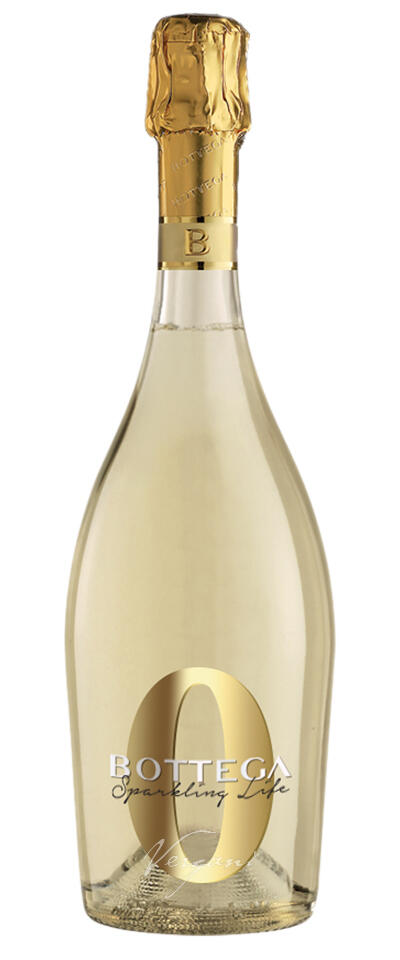


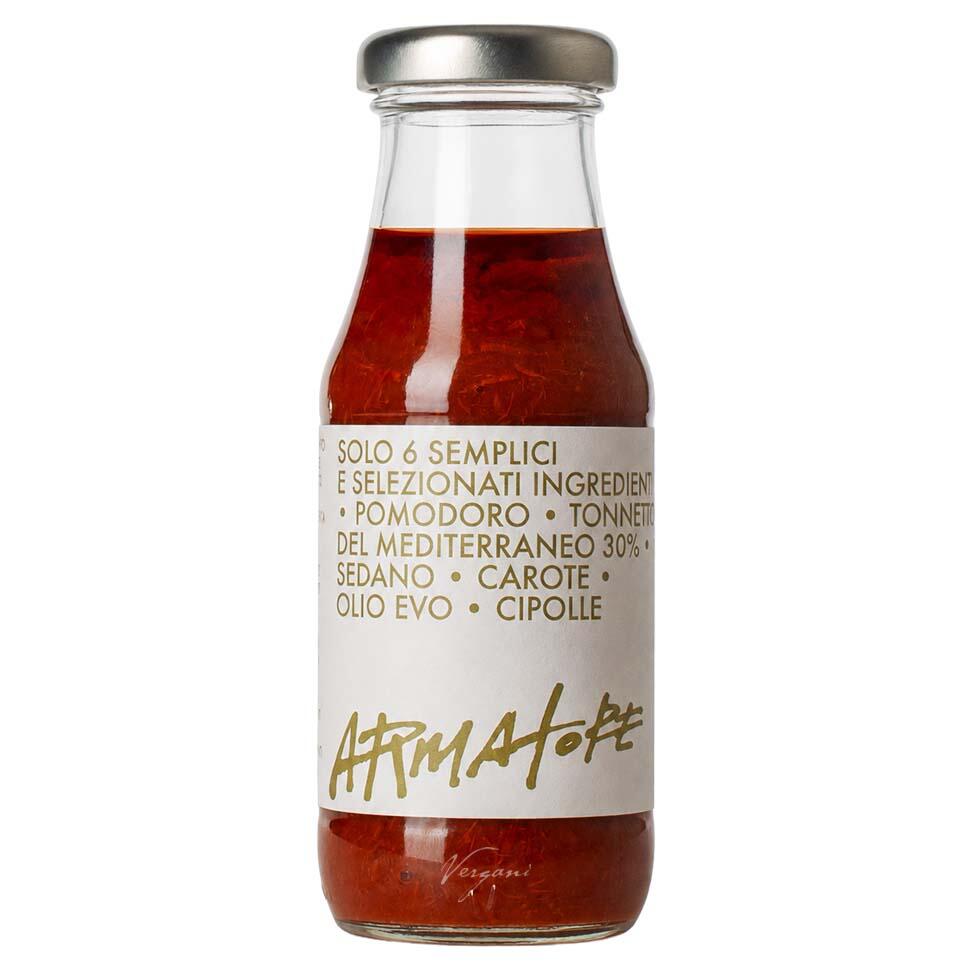
Sustainable fishing is not merely a token commitment for the fourth generation of the Della Monica family; it is a mindset rooted in foresight and respect. On the Amalfi Coast in Campania, Armatore combines traditional fishing with a modern focus on quality and great respect for the marine ecosystem. Every fish is carefully selected and processed using artisanal and traditional methods. Its natural flavor is preserved as much as possible in every case. The result is not simply products, but treasures. For example, the larger anchovies are salted in chestnut-wood barrels to achieve optimal maturation. The red tuna, the king of the Mediterranean, is processed with particular care, while bottarga (made from dried tuna roe) and the complex anchovy sauce (colatura) are also specialties that form the backbone of Mediterranean cuisine. Authentic, honest, and intense. A must for cooking enthusiasts.
tuna
Bluefin tuna from the Mediterranean, caught within the quota and processed in the village where it is landed. The Filetti is the everyday jar, the Ventresca is the belly cut you save for friends, and the Tonnetto from 4 Rotte is the little brother with the bigger character. Three jars, one sea.
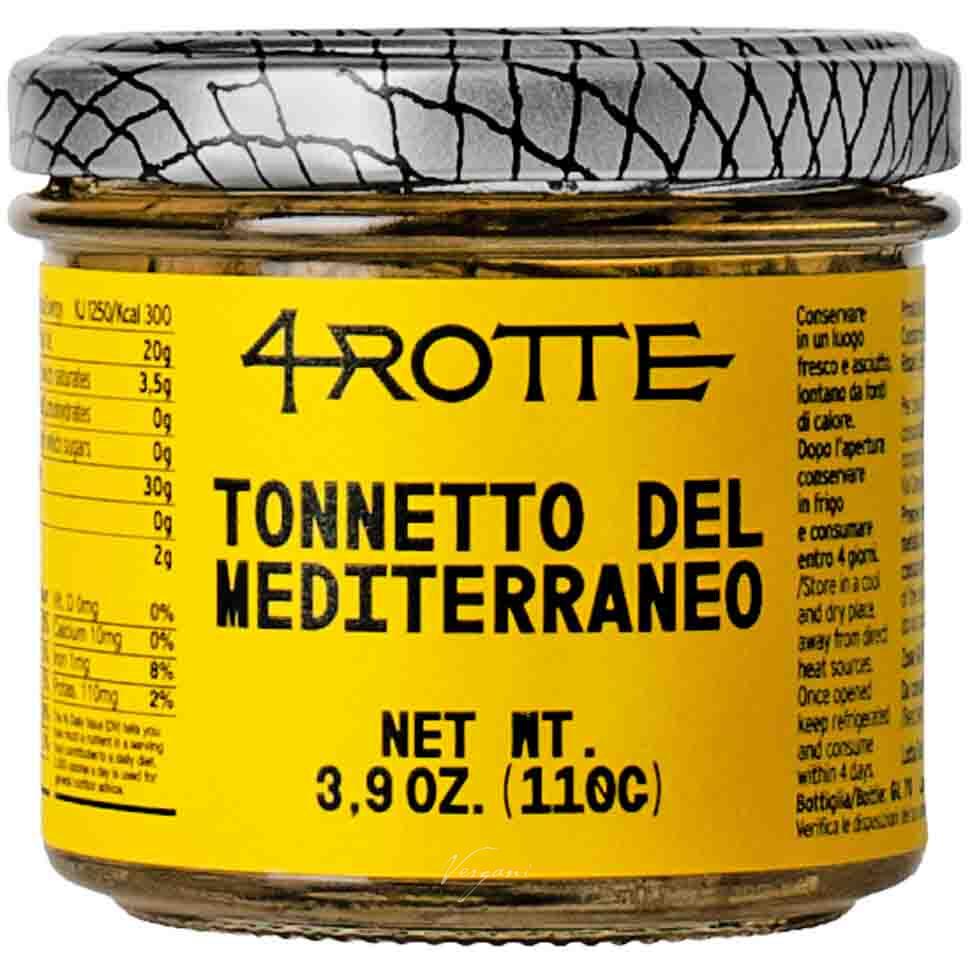
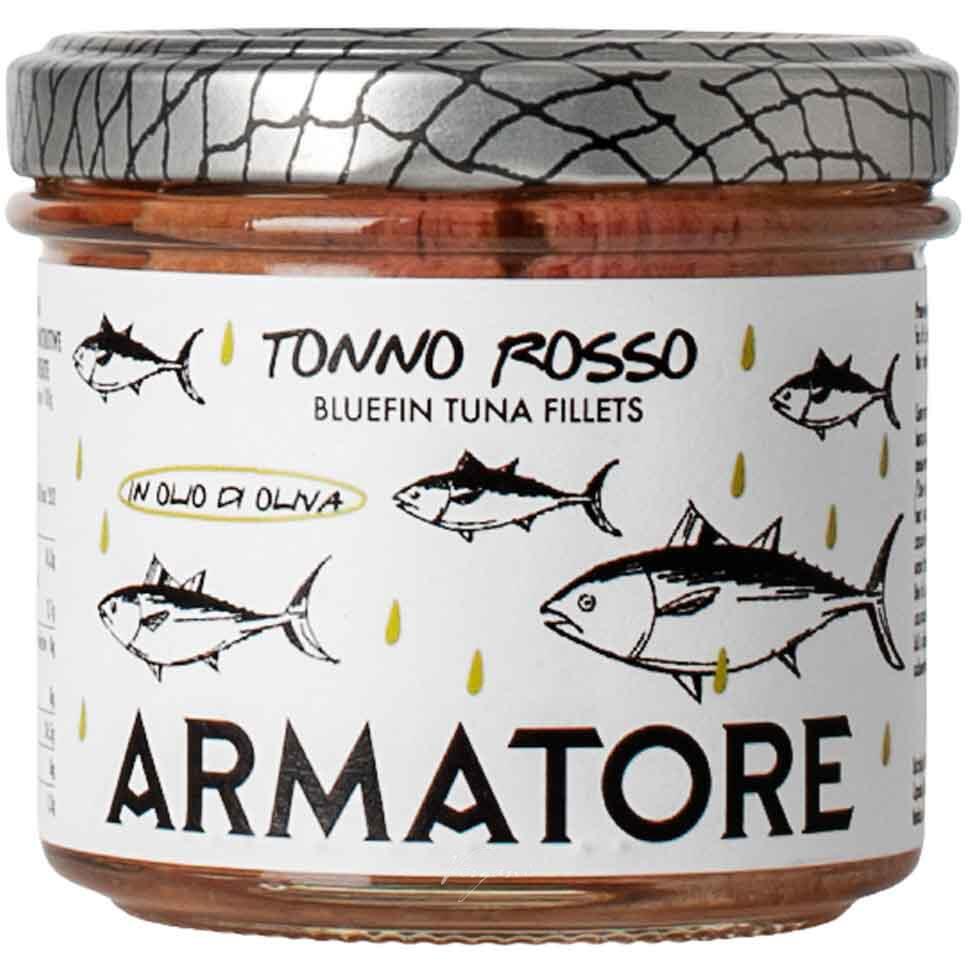
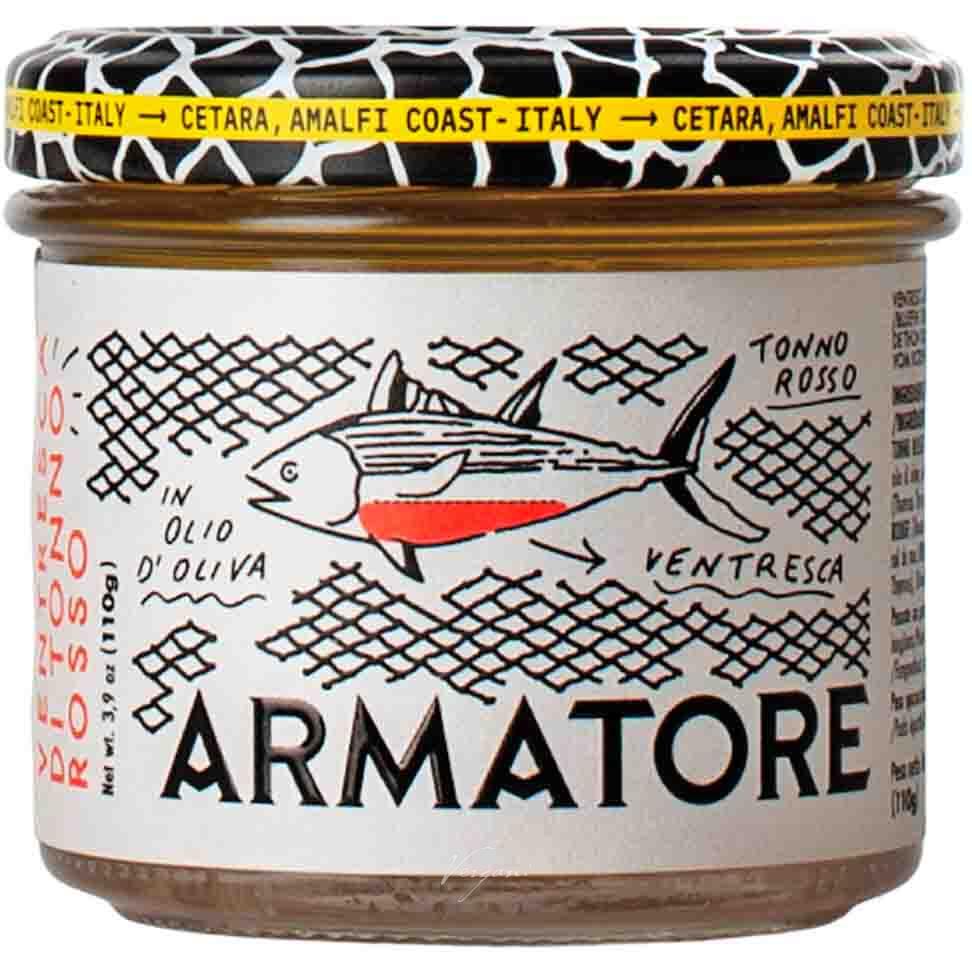
Mediterranean specialties
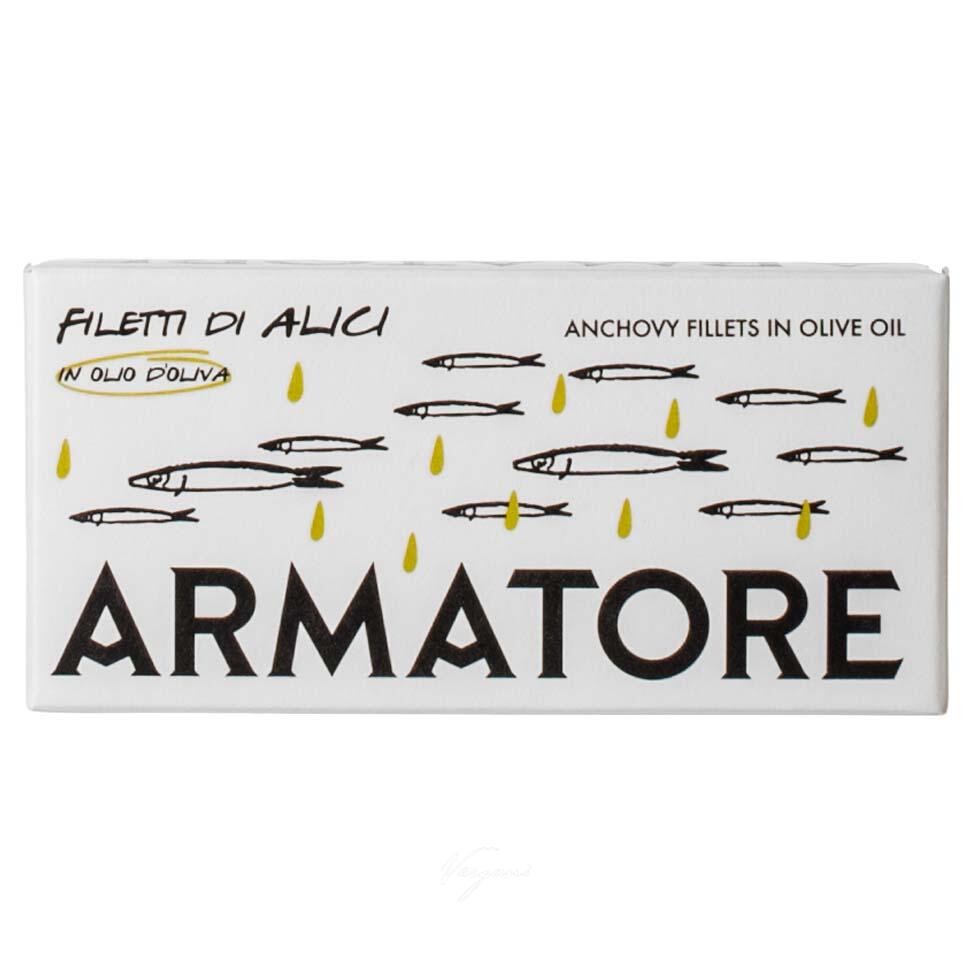
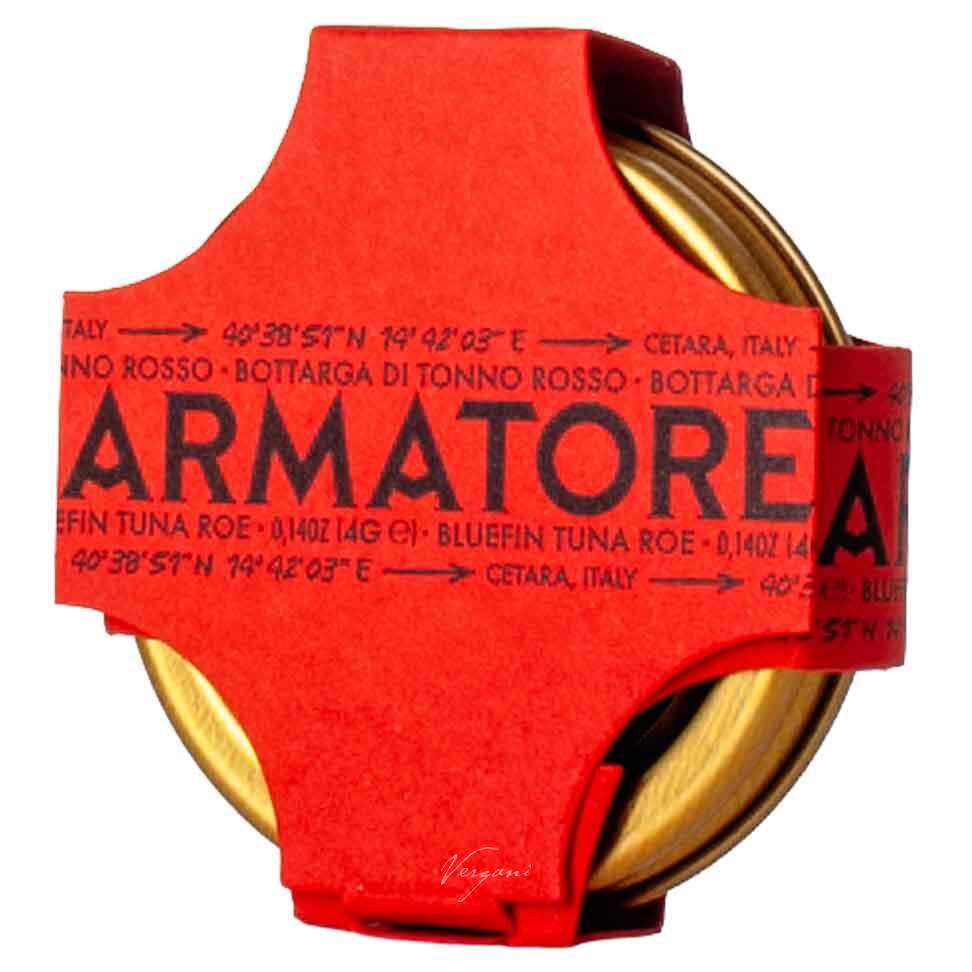
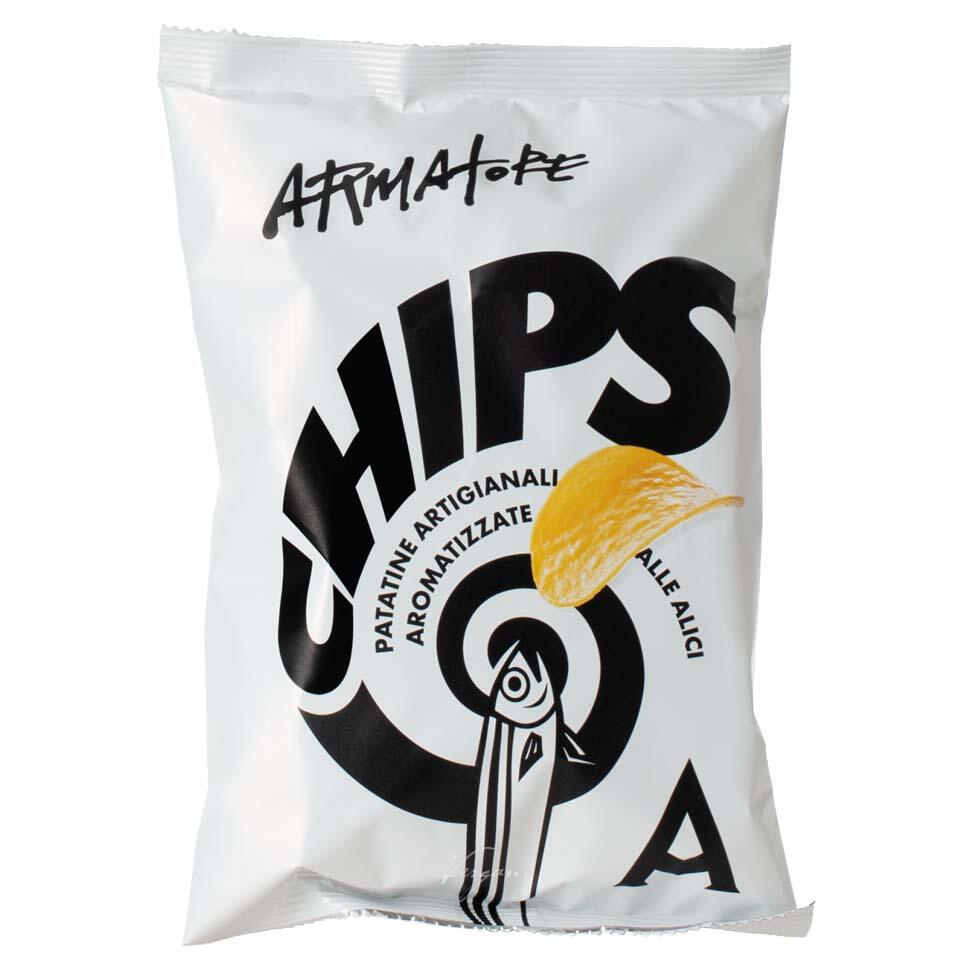
In Cetara, people have been fishing for anchovies since the town was founded. Armatore preserves them in olive oil, lets them mature for two years in chestnut barrels into colatura, or fries them into chips that no aperitivo can do without. Alongside that, bottarga made from bluefin tuna: grated over spaghetti, and nothing more is needed.
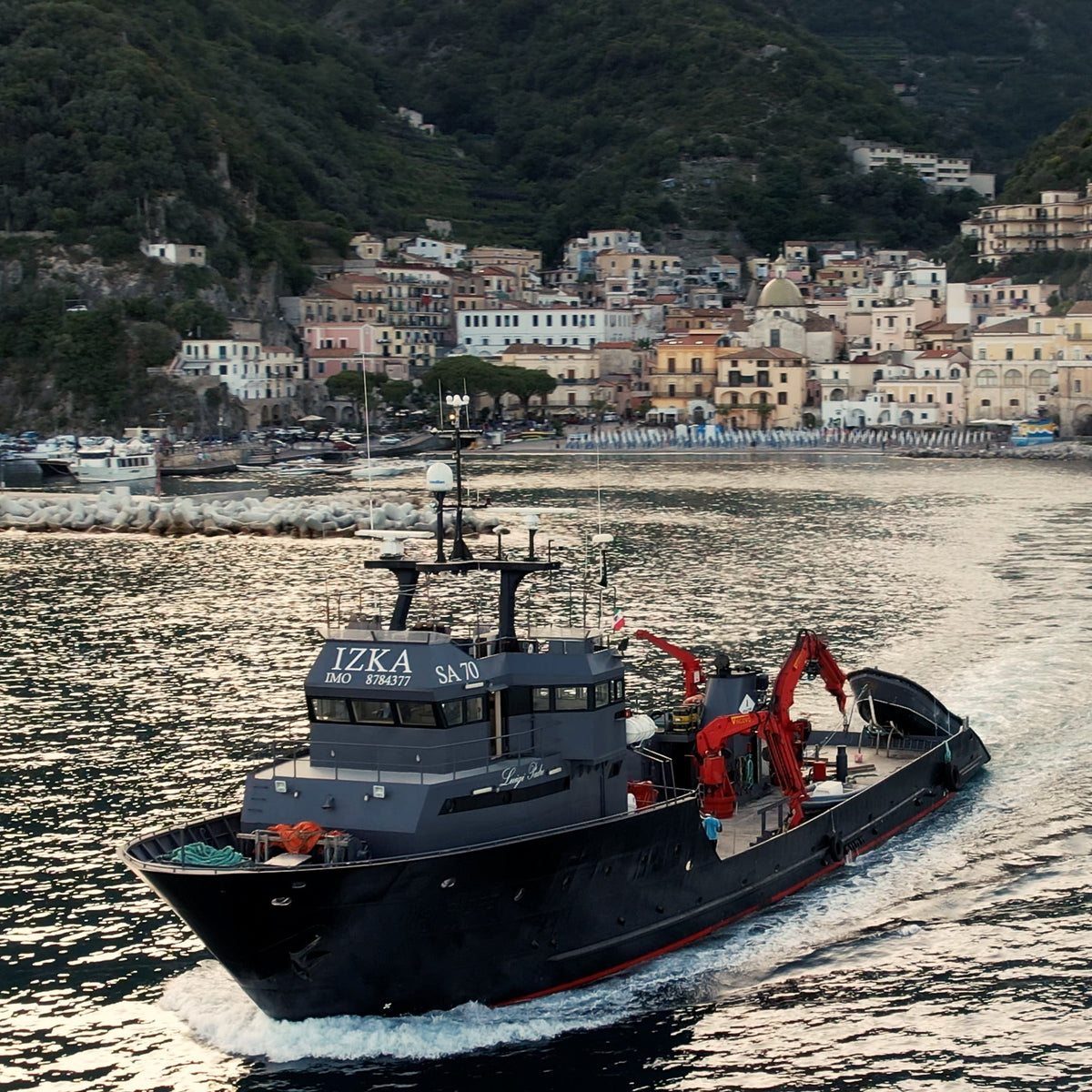
Maria Antonietta von Cetara
The boat is called Maria Antonietta, the port is Cetara, and the coast is the Amalfi Coast. For four generations, the Della Monica family has headed out from here to fish for bluefin tuna and anchovies, long before anyone had the word sustainability on their lips. The village is their business, and the business is their village.
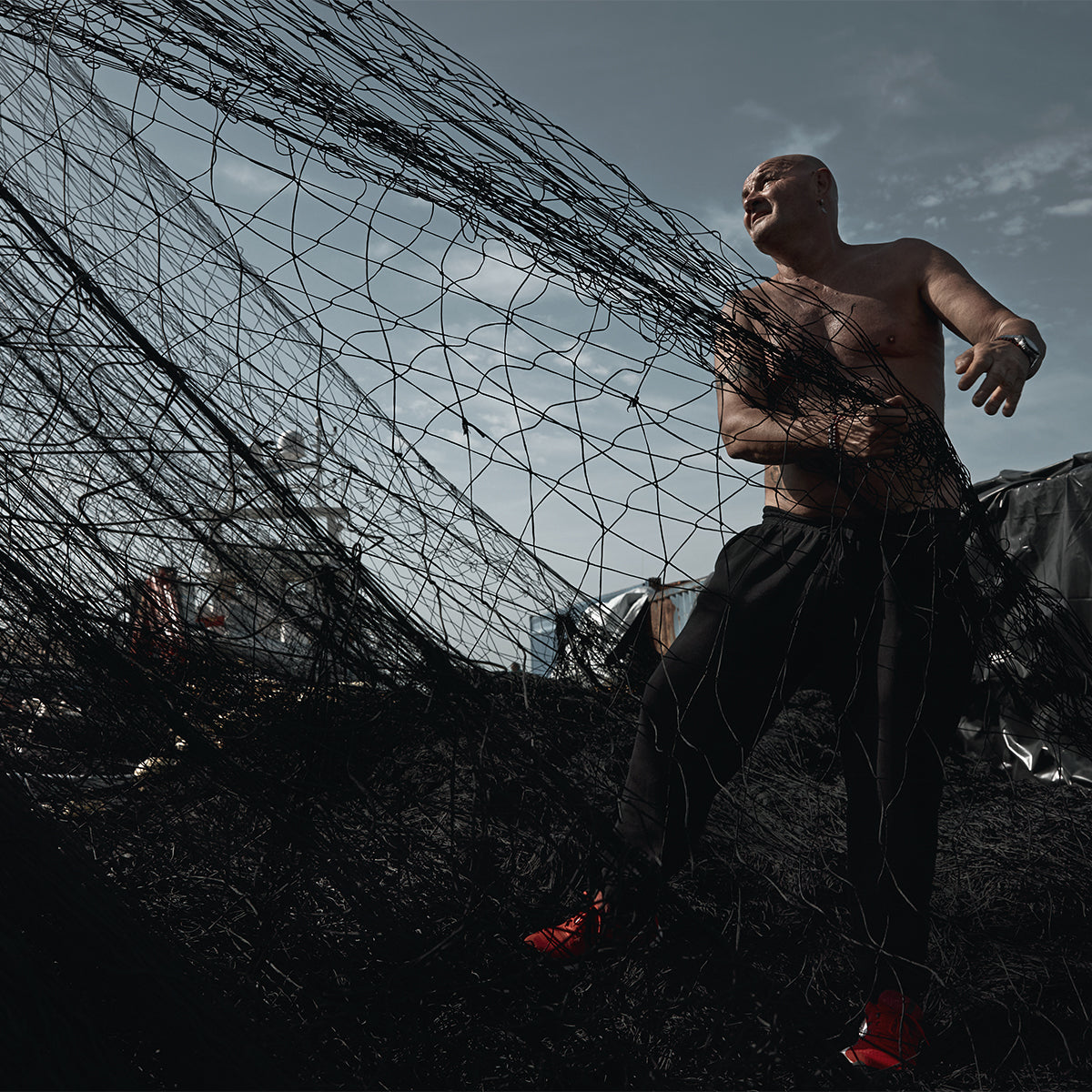
The net is the work
You can see it: This isn’t a photo shoot, it’s everyday work. Before the Alici go into the salt and the Tonno into the jar, everything depends on threads like these - mended, pulled, folded, handled by the same hands for decades.
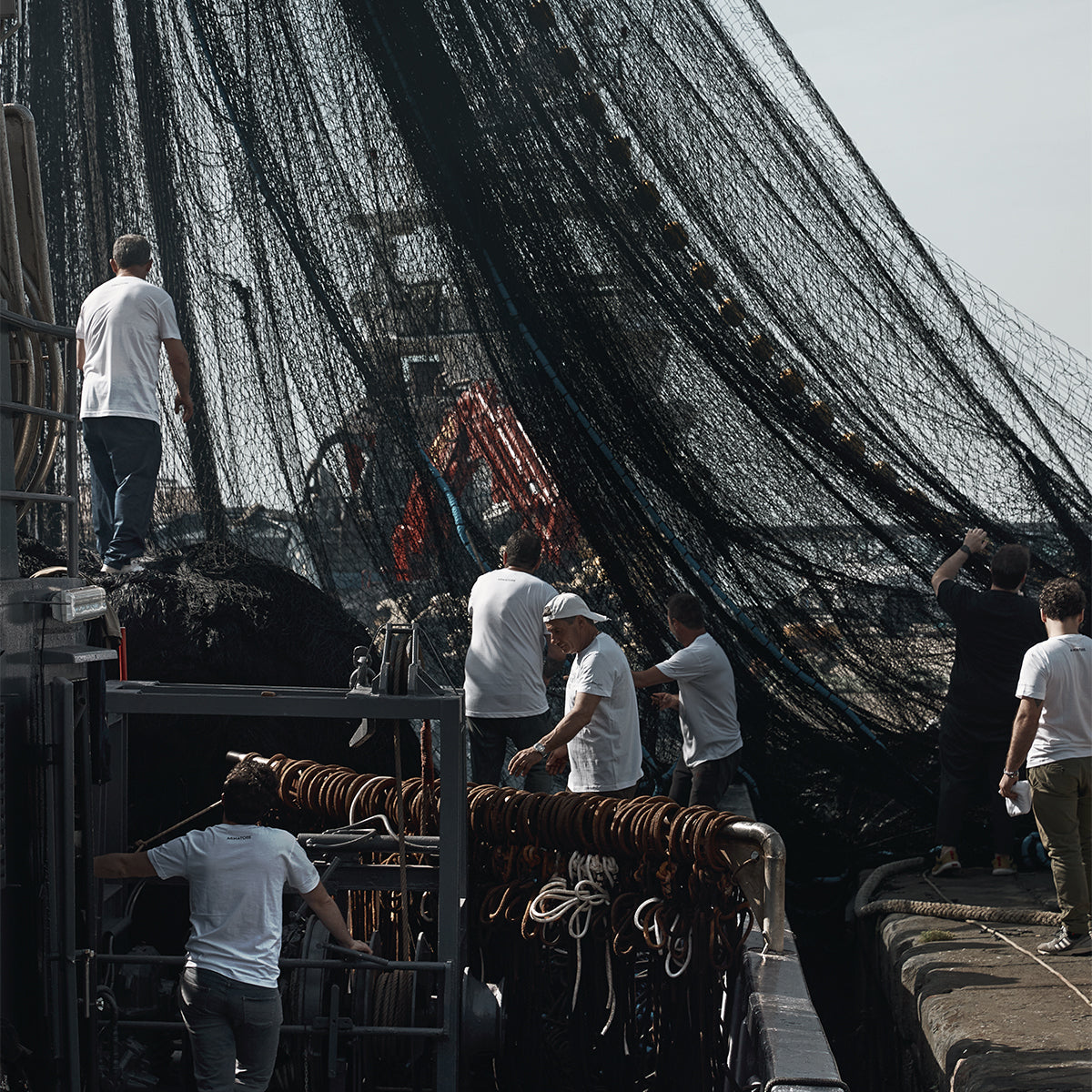
The entire supply chain, a single village
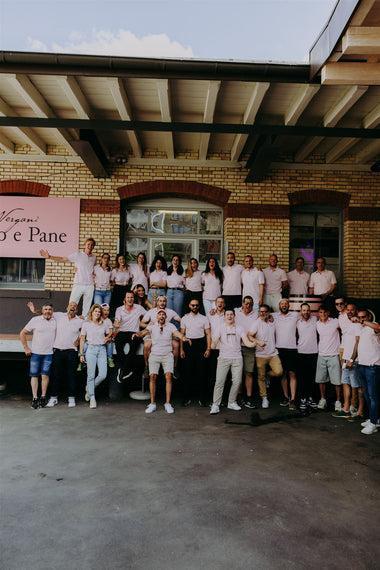
From the net to the jar, everything at Armatore stays in the same hands: the catch from its own fleet, processing in Cetara, and oversight by people who know each other by their first names. White T-shirts, rusty hooks, black nets silhouetted against the light. What a team.
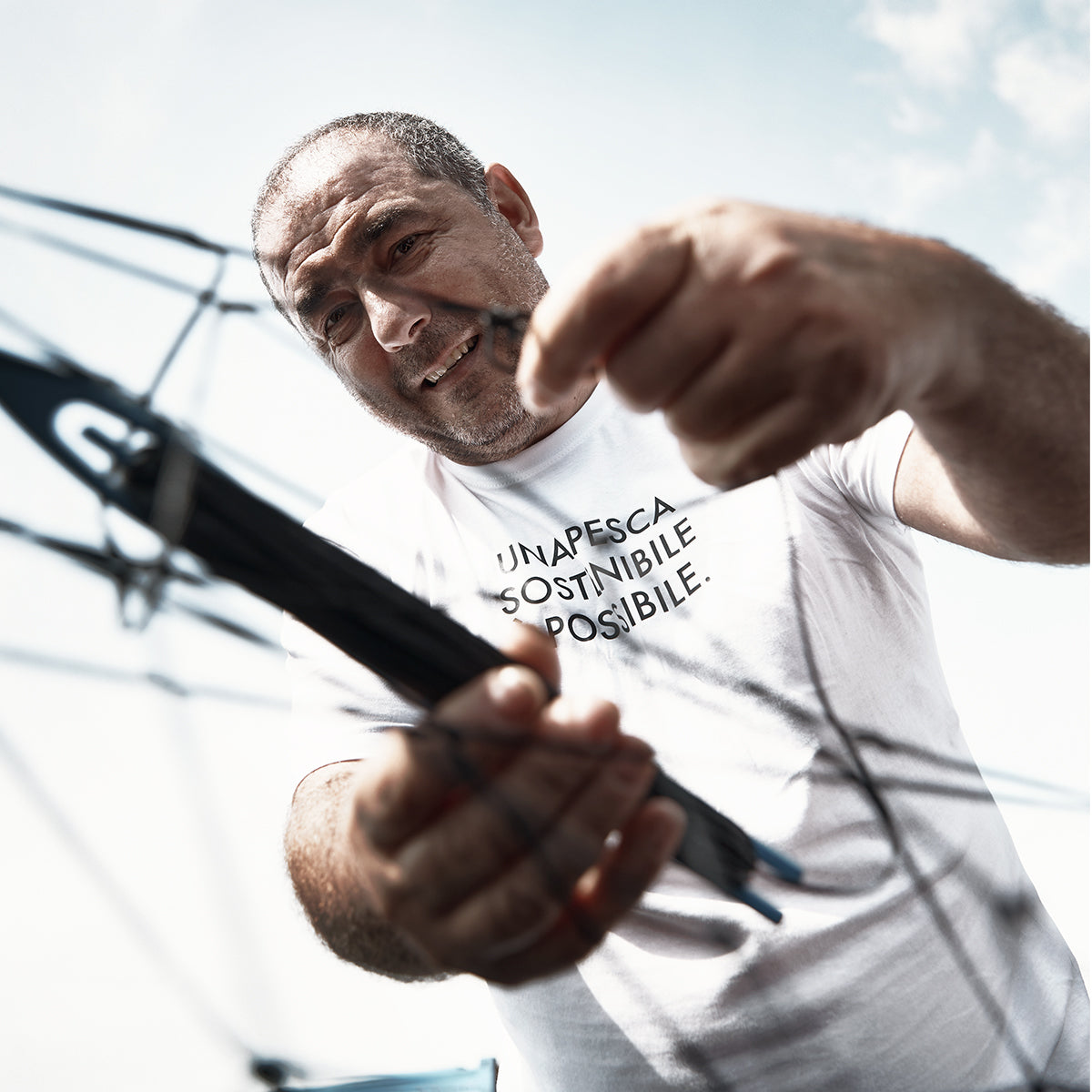
Sustainable fishing is possible
It’s written on the T-shirt, and Armatore means it literally: bluefin tuna only within the quota the Mediterranean can sustain, anchovies from nets off its own coast, colatura that matures for two years in a chestnut barrel before it goes into the orcio. Sustainability isn’t a line in the brochure here, but the reason there will be tuna again next year. Simple, right? Exactly.
Maria Antonietta von Cetara
The boat is called Maria Antonietta, the port is Cetara, and the coast is the Amalfi Coast. For four generations, the Della Monica family has headed out from here to fish for bluefin tuna and anchovies, long before anyone had the word sustainability on their lips. The village is their business, and the business is their village.
The net is the work
You can see it: This isn’t a photo shoot, it’s everyday work. Before the Alici go into the salt and the Tonno into the jar, everything depends on threads like these - mended, pulled, folded, handled by the same hands for decades.
The entire supply chain, a single village
From the net to the jar, everything at Armatore stays in the same hands: the catch from its own fleet, processing in Cetara, and oversight by people who know each other by their first names. White T-shirts, rusty hooks, black nets silhouetted against the light. What a team.
Sustainable fishing is possible
It’s written on the T-shirt, and Armatore means it literally: bluefin tuna only within the quota the Mediterranean can sustain, anchovies from nets off its own coast, colatura that matures for two years in a chestnut barrel before it goes into the orcio. Sustainability isn’t a line in the brochure here, but the reason there will be tuna again next year. Simple, right? Exactly.