





Admittedly, Piedmont can be confusing. Barolo. Barbaresco. Barbera. The names sound similar, but the wines don’t. Italy’s most famous wine region is actually quite easy to understand – once you know which grape variety goes into each wine.
Now, as the days grow shorter and we find ourselves enjoying braised and roasted dishes more often, it’s worth taking a closer look at Piedmont. Few regions produce such characterful food companions. Bold. Structured. Deep. Just right for the colder season.
That’s why we’re bringing some order to the world of Piedmont’s great wines.
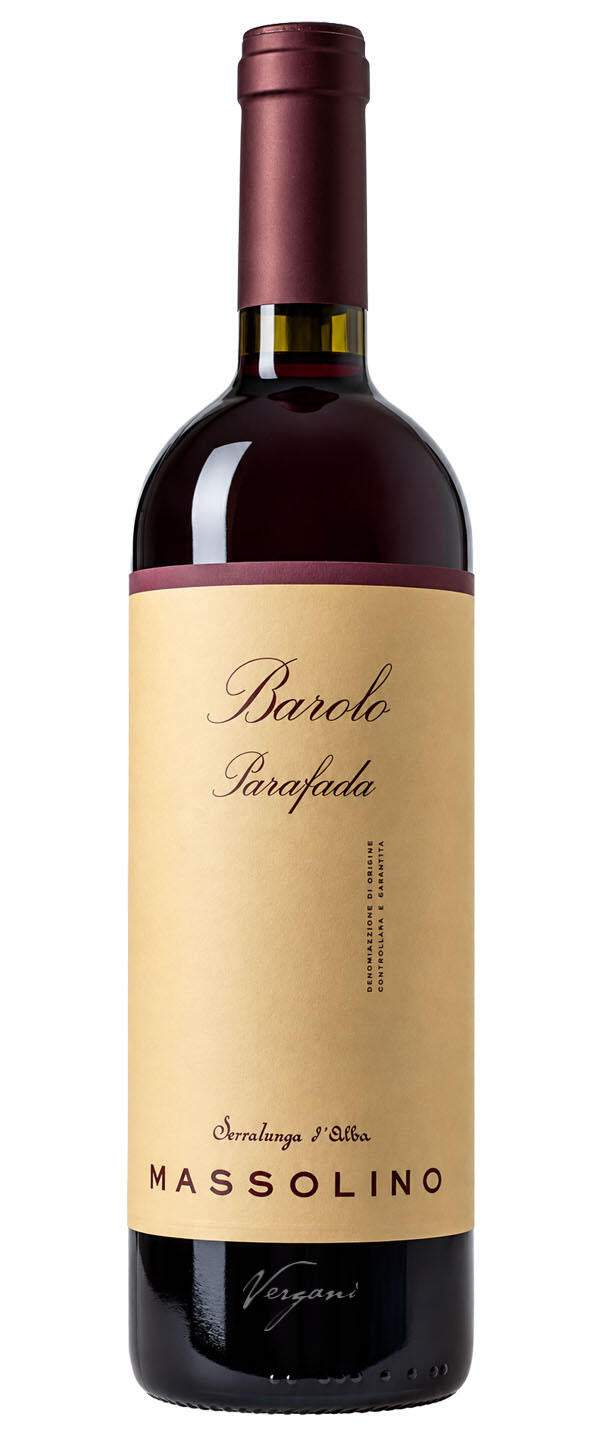
1) Barolo | Grape variety: Nebbiolo
It’s called the “king of wines” – and Barolo certainly lives up to the name: powerful, complex and impressively commanding.
The Nebbiolo grape thrives in the hills of the Langhe. Here, it produces a wine with aromas of red berries, roses and spices, sometimes even a hint of tar. When young, Barolo is often closed and tannic, but over the years it develops remarkable elegance. The growing area southwest of Alba covers eleven municipalities. Those who are patient will be rewarded.
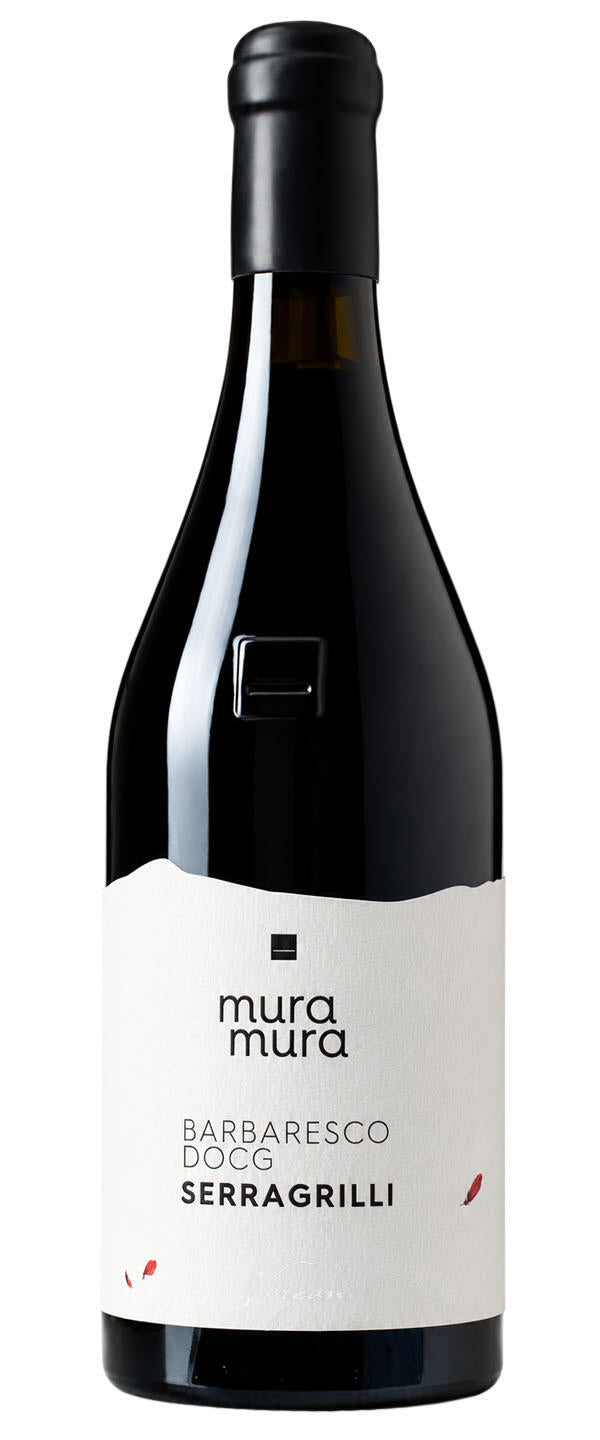
2) Barbaresco | Grape variety: Nebbiolo
The same grape, a different character: Barbaresco is often considered the more refined, approachable sibling of Barolo. Different soils, lower-lying vineyards and a milder climate shape its character. It takes its name from the village of Barbaresco, east of Alba, whose medieval tower can be seen from afar. The growing area covers just four municipalities.
Typical aromas include red fruit, roses and spices. Barbaresco is often smoother and approachable even when young. If you’d like to discover the elegance of Nebbiolo, this is often the perfect place to start.
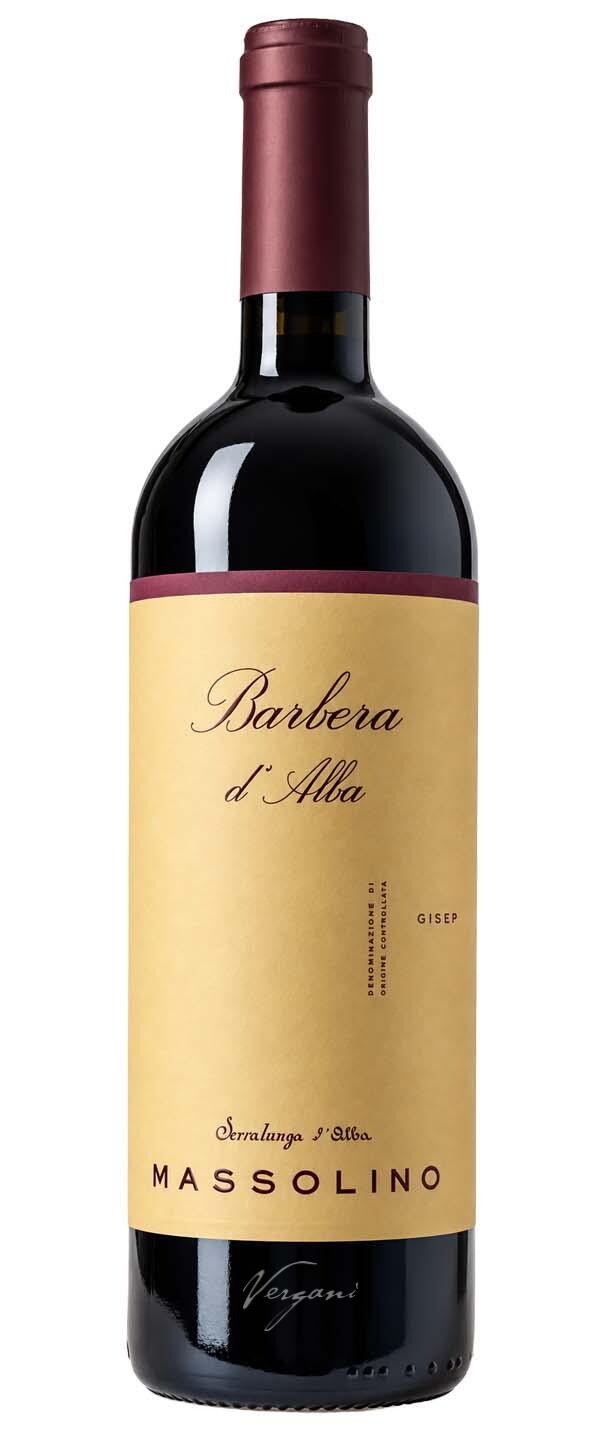
3) Barbera d’Alba | Grape variety: Barbera
While Nebbiolo demands attention, Barbera wins you over with its charm and easygoing nature. Aromas of ripe cherries and forest berries meet lively acidity, giving the wine freshness. With considerably less tannin than Nebbiolo, it’s approachable and an ideal food pairing.
Barbera wines from around Alba, in particular, often show more structure and depth. Partial ageing in oak barrels gives them added complexity. This is a wine that doesn’t need a lengthy explanation. Just pour a glass.
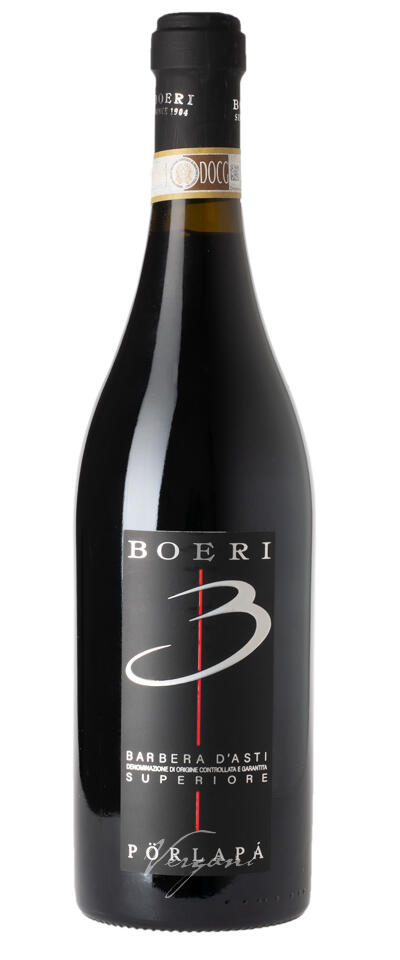
4) Barbera d’Asti | Grape variety: Barbera
East of Alba, around the city of Asti, lies the home of Barbera d’Asti. These wines are often fresh, juicy and elegant, with aromas of red cherries, plums and floral notes.
Whether with pasta, risotto or hearty autumn dishes, Barbera d’Asti makes an excellent impression at the dinner table. It’s no coincidence that many people in Piedmont consider it an everyday wine. Authentic, honest and always with an extra dose of joie de vivre.