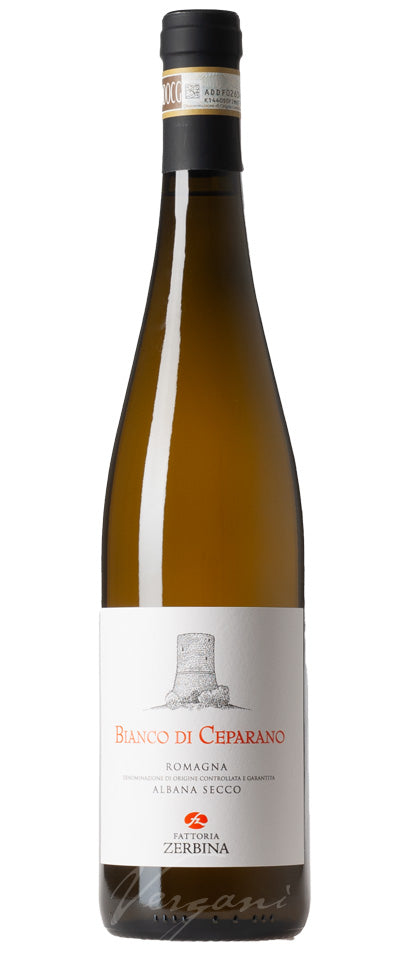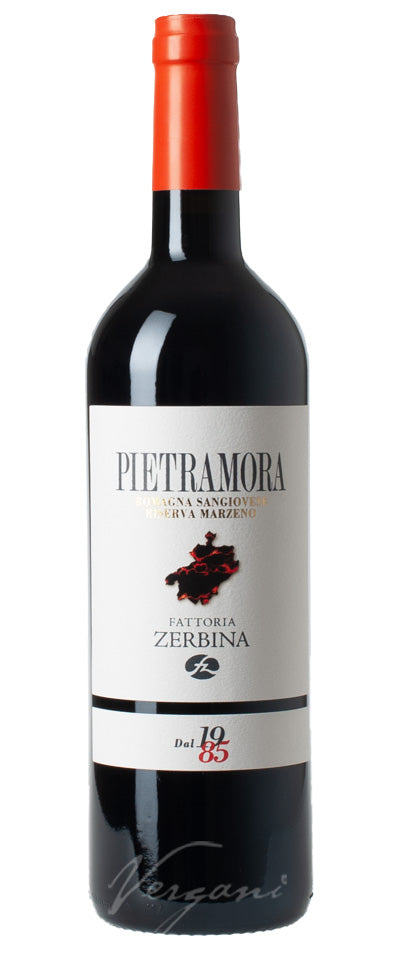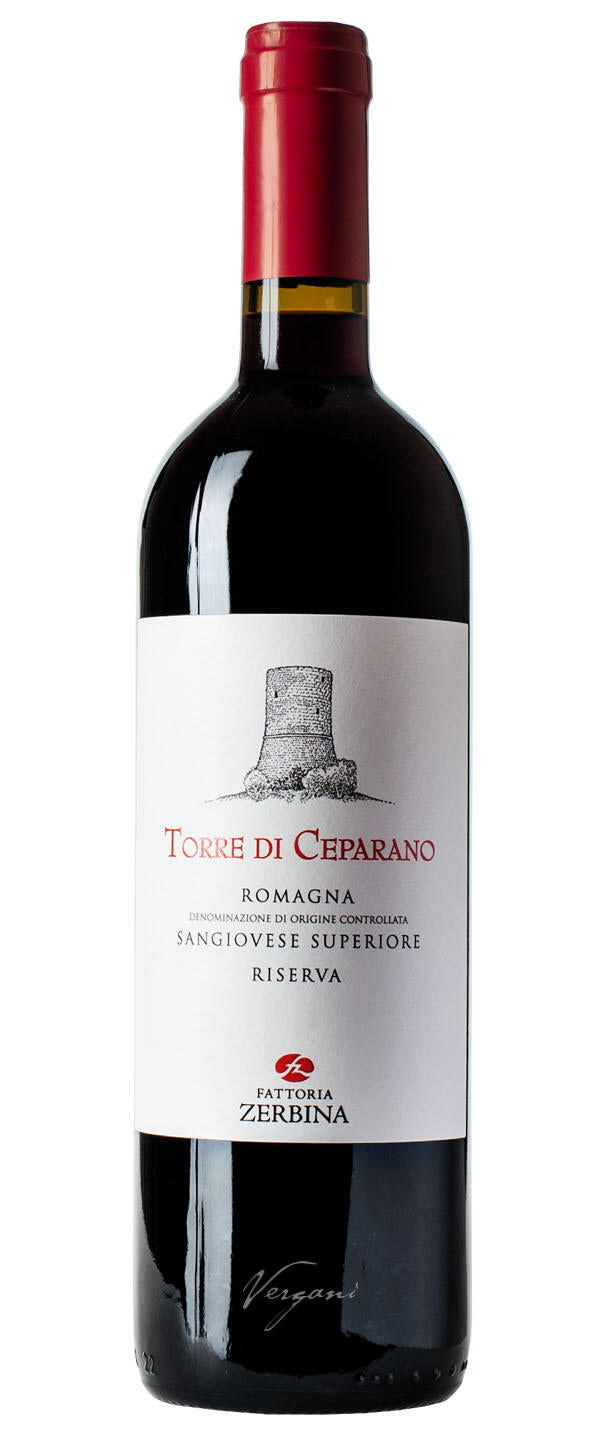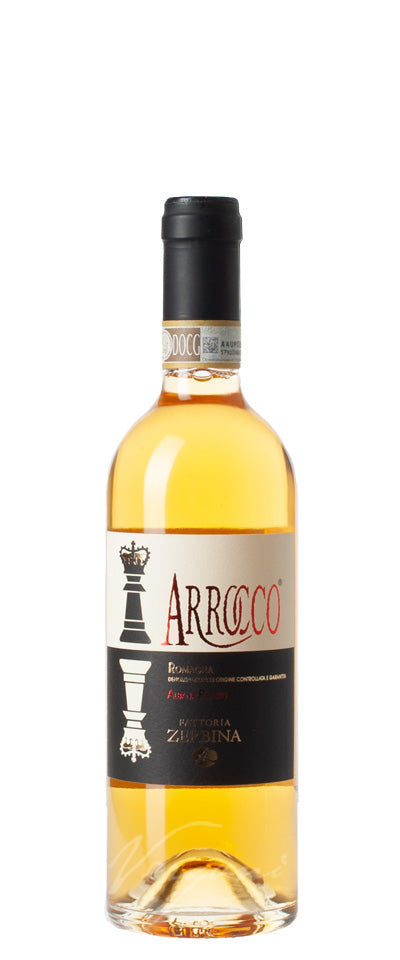





Cristina Geminiani is an impressive woman. "Anyone who makes wine," she says, "must not take shortcuts." Success proves her right, but the path to the pinnacle of wines was a rocky one.
Where is Marzeno? Certainly not the center of the wine world—or is it? If you drive from Bologna towards the sea, that is towards Rimini, you reach Faenza halfway. Nearly 60,000 inhabitants, province of Ravenna, Emilia-Romagna region. The Romans, or rather the Celts and Etruscans before them, settled here, and of course, alongside the export of artistic ceramics (Faience), wine and fruit growing also played an important role. Remarkable. The history of Fattoria Zerbina is also remarkable, located not far from Faenza, above the small village of Marzeno with 800 inhabitants, on the first slopes of the Apennines. Sometimes there is snow here.
In the past 50 years, the winery has won 120 awards for its wines. "Wine comes from the earth, from knowledge of tradition, and from the power of the new," says Cristina Geminiani. She should know. After her winemaking training in France (including Bordeaux), she wanted in 1987 to implement her quality standards—previously uncommon in Emilia Romagna—at home. But it all began a bit earlier: in 1966. Her grandfather Vincenzo Geminiani bought the estate and decided to plant vineyards there and start wine production. His wines stood out and gained recognition. But 1987 and the arrival of his granddaughter Cristina marked a turning point in the history of Fattoria Zerbina. She had (and has) clear ideas. First, she wanted to enhance the Sangiovese and Albana grape varieties in the region. So the ambitious agronomist decided to fully immerse herself not only as an entrepreneur but also as the person responsible for agronomic and oenological management. She turned things upside down.
In the first years, she planted Sangiovese. But not as conventionally as one might expect. Cristina Geminiani had the first vineyard planted in dense bush vines. At the time, this was—let’s say—an avant-garde choice in Italian viticulture. Various clones were tested. A radical pruning in the vineyard, the strictest selection on the sorting table. Every step was focused on quality. All under the leadership of a young woman. In the conservative and patriarchal region, known for its mass-produced wines of consistently low quality, this was not well received. The harsh opposition Cristina faced was also not easy. But not even vandalism and sabotage in the vineyards could stop her plans. She stayed strong. And she paved the way for other pioneers in Emilia Romagna.
"Away from mass production, towards quality wine production," was the motto. Shortcuts were not her thing. From 1990 onwards, vineyards were continuously replanted, one after another. The local champions pitied and mocked the young woman—but she was never shaken and even less stopped. With perseverance and many small, large, and medium steps, she achieved something no one before her in the region had done. She produced top Italian wines. Thanks to great dedication, care, and prudence, she collected the coveted glasses in the Gambero Rosso. Since 1999, she has regularly earned three of them. This density of wines with the "Tre Bicchieri" rating is unprecedented, and the critical voices around her have long since fallen silent. At the latest when the "Wine Advocate" called her one of the most talented women in the Italian wine world, Cristina Geminiani was also oenologically established in her homeland.
She vinifies exclusively grapes from her approximately 33-hectare vineyard, which is on average 300 meters above sea level. 80 percent of the area is planted with Sangiovese, mainly with a regional clone selection. The grape harvest takes forever because, according to the phenolic ripeness of the grapes, Cristina harvests in several passes. One thing leads to another. The peak of her quality thinking is revealed, among other things, in her wine called Monografia. The word comes from ancient Greek and means "monograph." It refers to a comprehensive, self-contained treatise on a single subject. In this case, it is about the Romagna Sangiovese grape variety, from which the wine is made 100 percent. "Decanter," "Wine Advocate," and "Veronelli" rave about it with high scores. A great temptation, but with only 660 bottles produced, also a rarity.
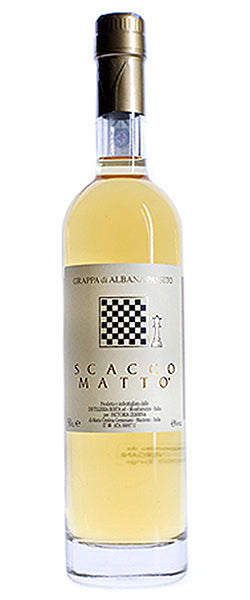
Equally innovative was the approach with Albana: Cristina Geminiani decided to try the path of noble rot in the vine in the style of Sauternes with the wine Scaccomatto (Checkmate). Bold. Elaborate. Daring. Already in the first vintages, the efforts were rewarded with considerable success. From 1992 onwards, she consolidated knowledge and experience to better control the development and selection of noble rot berries as well as the risk and physiological stress that this type of harvest entails.
In the same period, they developed the Gesamtkunstwerk Marzieno. Initially, it was a blend of Sangiovese and Cabernet Sauvignon, with varying proportions of Merlot and Syrah added in recent vintages. And to bring Bordeaux even closer to Emilia Romagna in people’s minds, Cristina Geminiani has always strongly supported the regional grape variety Ancellotta. With a certain naturalness, she consistently calls it "our Petit Verdot." Seen this way, thanks to Cristina Geminiani, Marzieno has indeed become a center of the wine world.