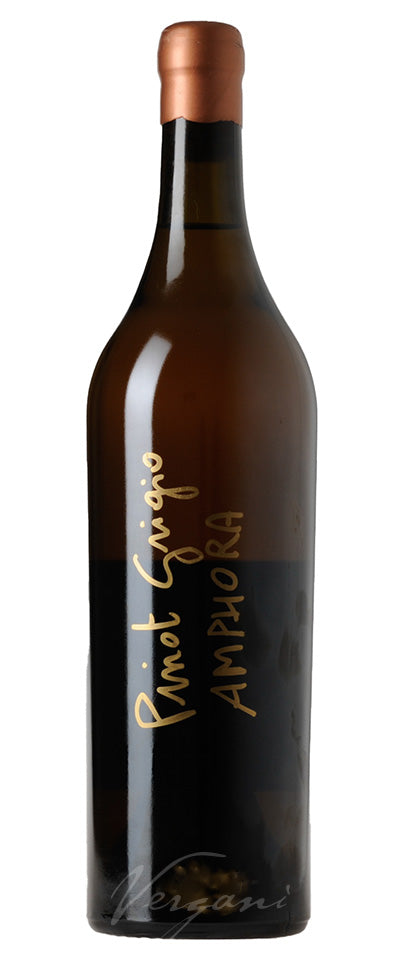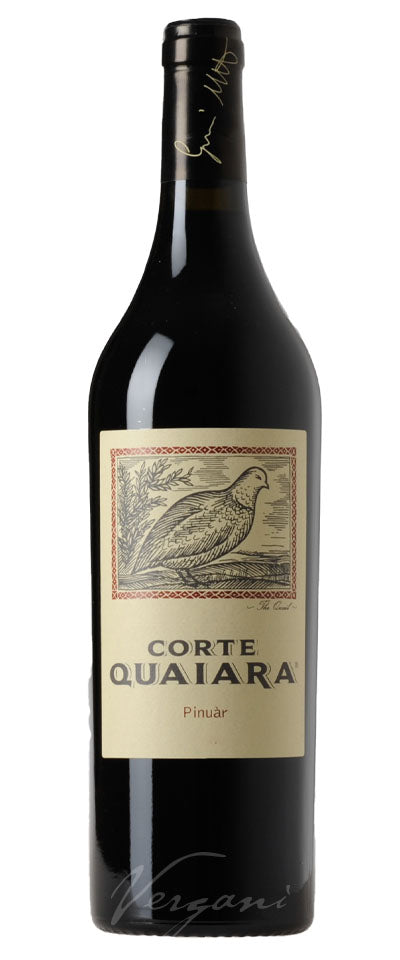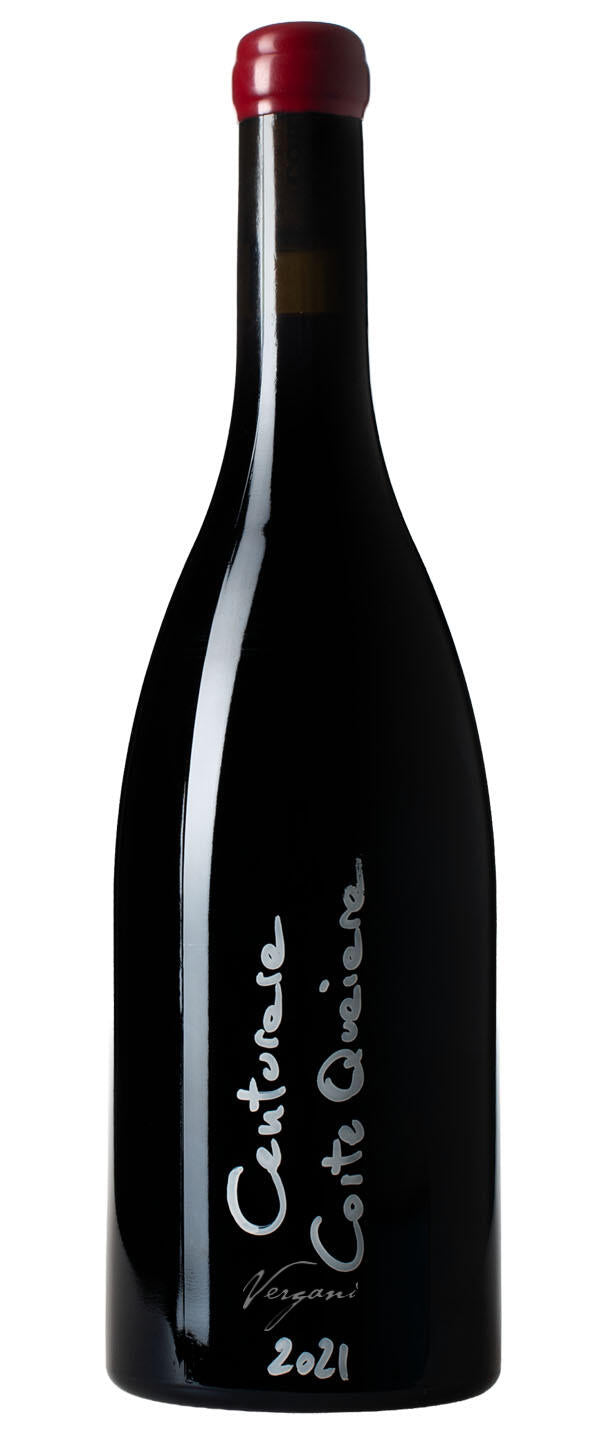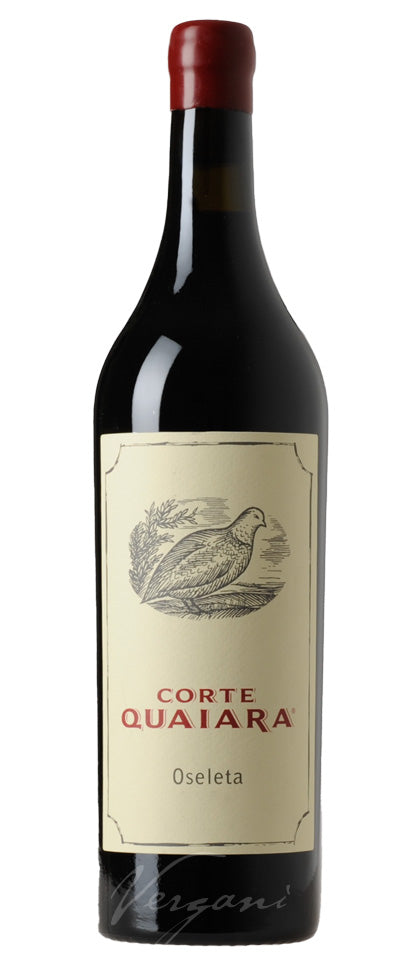



"My wines are my life journey," says Giovanni Montresor. He does not produce market products: "I make wines for myself," he says. The result is inspiring, vibrant, and touching. These are wines without compromise.
To understand where he stands, one should know where he comes from. Giovanni Montresor. The family and its name have been linked to the wine business for over 150 years. With an annual production of 1.5 million bottles, the name became a global brand. The family originates from France, with one branch settling in the middle of the 17th century in Veneto. The tracks of the life path for the 21st-century Giovanni seemed laid out, and the future of his career in the family winery was considered secure. Everything would have been fine, but the ambitions to approach things differently, more finely and on a smaller scale, were greater.
"My maternal grandfather laid the foundations of this farm, my father revitalized the vineyard over 30 years ago. I was very connected to the place as a child, and it hurt me to see it so abandoned in the 1990s," he recounts. "I wanted to make something of it," he adds. In 2012, he took the step to independence. His comment: "Life allowed me to start from zero." So here we are, between Verona and the southeastern Lake Garda, in San Giorgio in Salice, at the Corte Quaiara winery. A resonant name, but one that can be historically found in many corners of the region. A "Corte" is a place surrounded (for example by houses), and "Quaiara" primarily means "quails." It is assumed that migratory birds were once caught in these so-called places. Indeed, the quail also adorns the label of half the wines Giovanni Montresor produces. All other wines have their own distinct appearance.
Just like the wines themselves. They defy the rules of denomination, emphasizing the attributes of the grape variety at their location. "I don't want to be compared," he says stoically. "These are wines that represent my essence. Extreme wines that stand for our daily work in the vineyard. Wines that convey drinking pleasure, that are meant to evoke emotions, not everyday wines, but wines to be shared with special people at a special moment," Giovanni Montresor describes the fruits of his labor. 11 wines. 13 hectares. 30,000 bottles. Handmade. Strict selection. Yield regulation. Highest respect for nature. Also in the cellar. "Small harvest, big work," the craftsman sums up his pursuit. He wants—and he emphasizes this explicitly—to work as his great-grandfather did. "With my own hands. Out of love for the soil, with the help of the microbiome and microfauna. The hedges, the trees, the grass, the moss, all components of biodiversity are useful to cultivate healthy vineyards. It is my obligation to the land. If I want to get the best out of the soil, I must also give my best," he says; one can almost sense a kind of sense of duty in his striving. "Biodynamics is a way of life," he says. "And where are you on this path, Mr. Montresor?" – "At the beginning," he answers. His attitude is impressive. So are his wines.
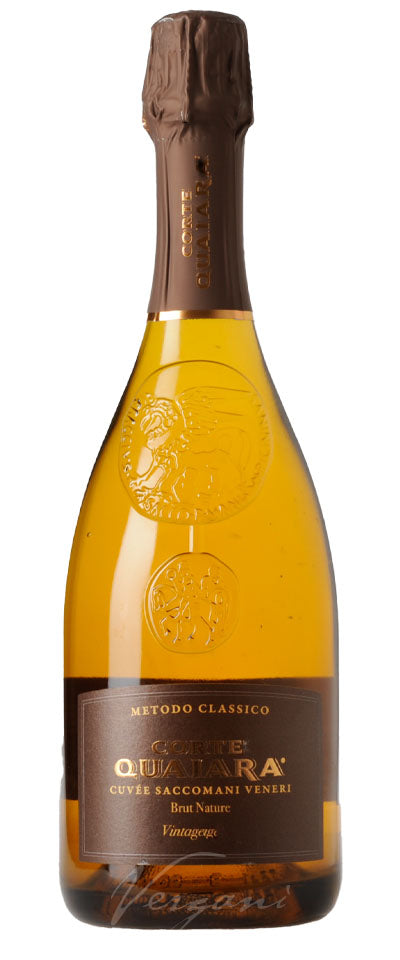
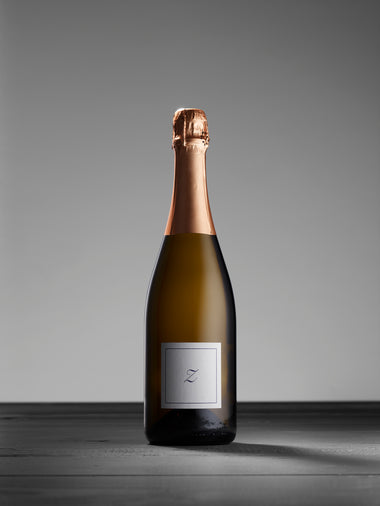
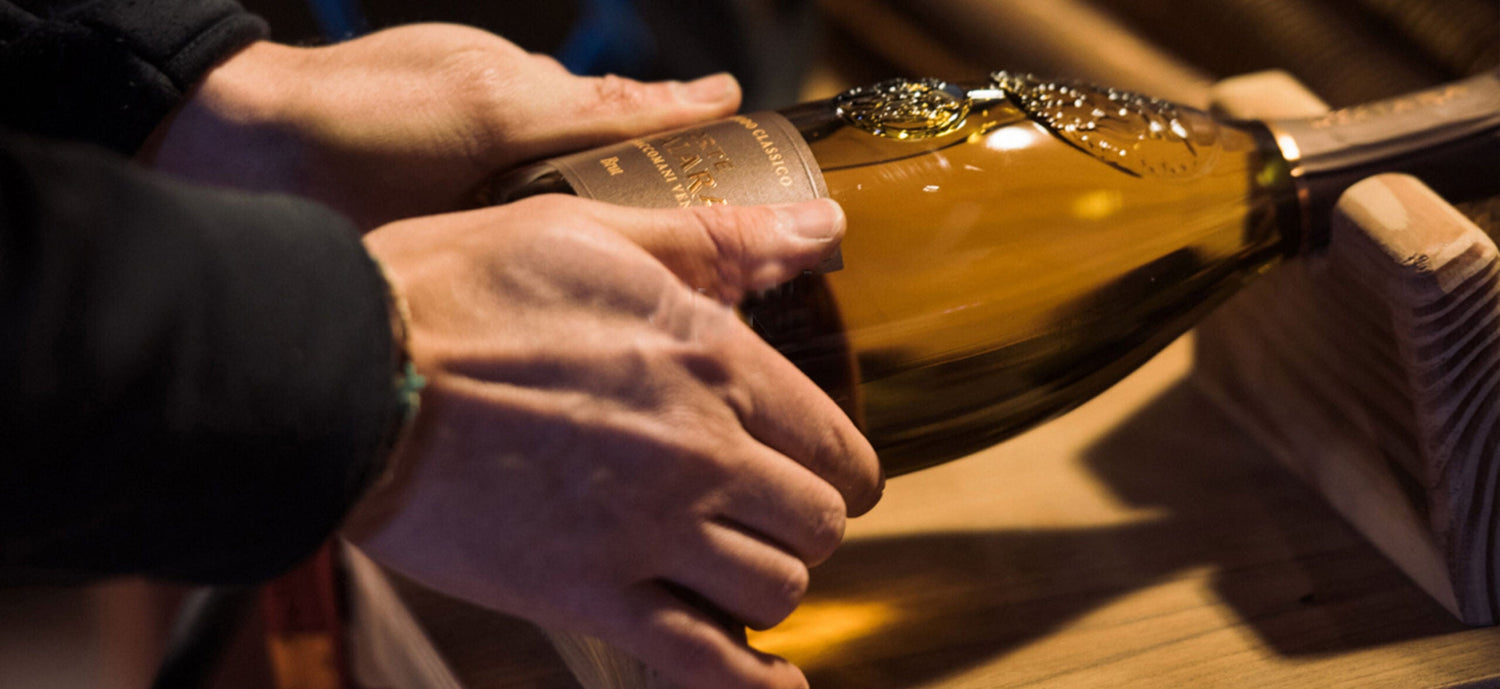
The vines were planted by his father, and the grape variety selection could certainly be described as unconventional. Pinot Gris. Corvinone. Garganega. These varieties are aged in amphorae. Pinot Noir, Oseleta, Syrah, Petit Verdot, Teroldego, and Merlot are mostly aged in oak barrels of various sizes. Among all this, there are also Goldtraminer and Chardonnay in the vineyards, which Giovanni Montresor mainly uses for his bottle-fermented sparkling wine. "The calcareous soils are predestined for this," he says. In combination with (60 percent) Pinot Noir, this creates a sparkling wine that must be tasted. It rests on the lees for 140 months, and this time gives it its intense aroma of crispy bread crust. A traditionally made sparkling wine, full and round, with notes of ripe fruit, coffee, cocoa, and almonds. "I make things that are very special," Giovanni Montresor says about it. He also envisions his customers as people who know and appreciate what work means and intrinsically understand quality. "They are not label wine drinkers; they are people who want to drink real wines," he concludes.
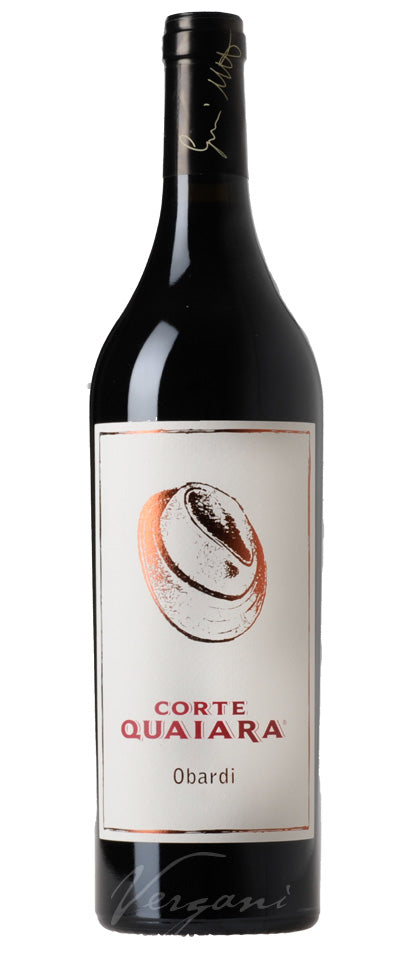
This "realness" can be felt in all his wines. But clearly, it is most evident in his Oseleta. It is the rarest grape variety in the Veronese. "Only a few vinify it as a single variety," explains Giovanni Montresor, who, by the way, rejects the "Appassimento," the local drying process. "I seek the soul of this rebellious grape variety and do not want any sweetness! Oseleta has dense tannins and high acidity. That means it requires a lot of work and brutal yield restriction. If all goes well, it enchants with a great aroma, distinct minerality, and lively balance," raves the passionate full-blooded winemaker. At this point, we could start to go really deep, but that might dampen the joy of discovery. Giovanni Montresor's wines may still be a discovery for now, but soon they will be known and necessary to know to join the conversation.