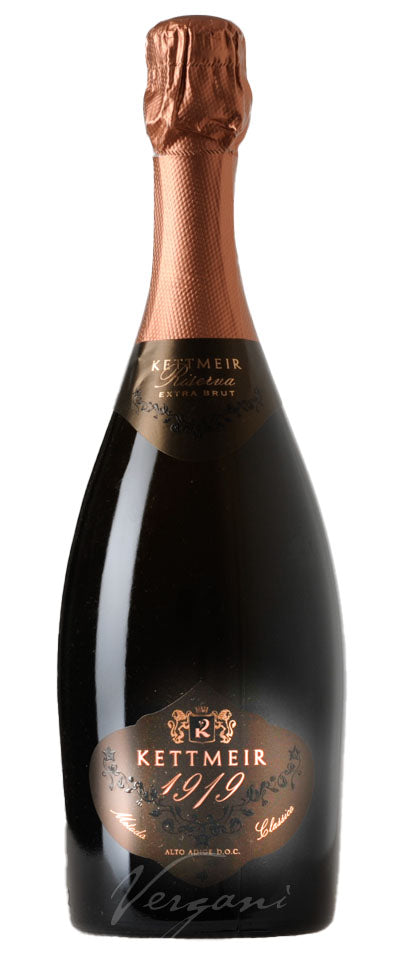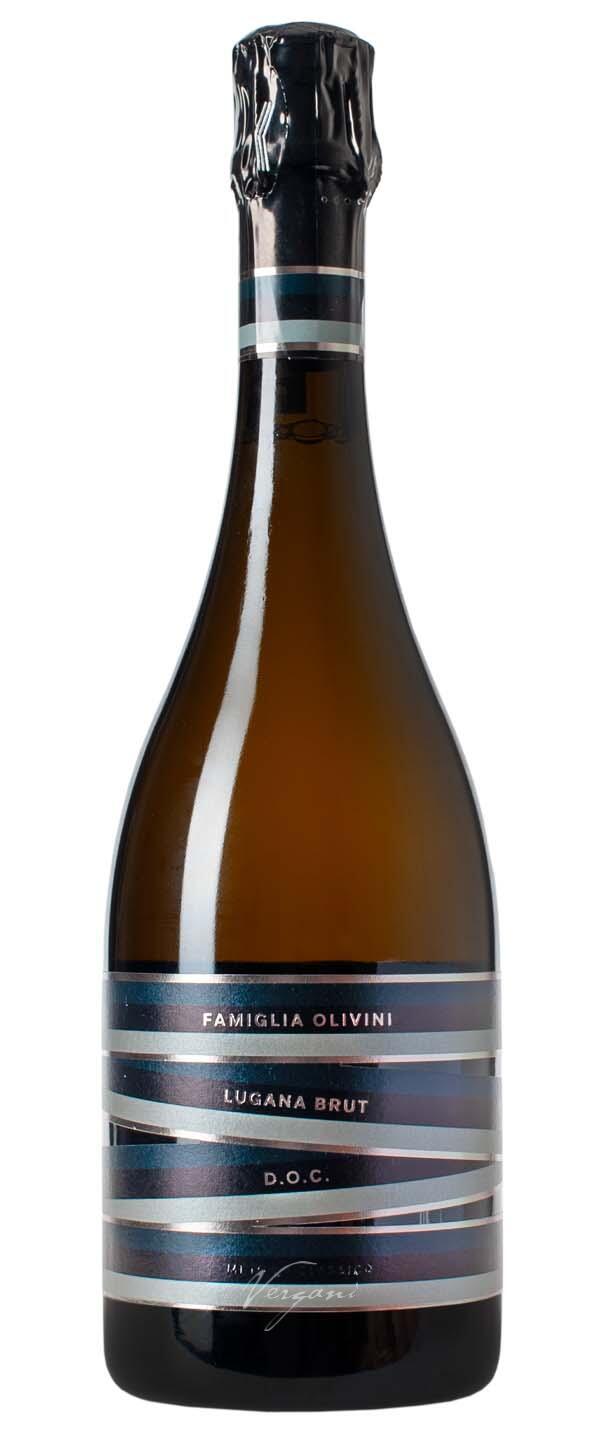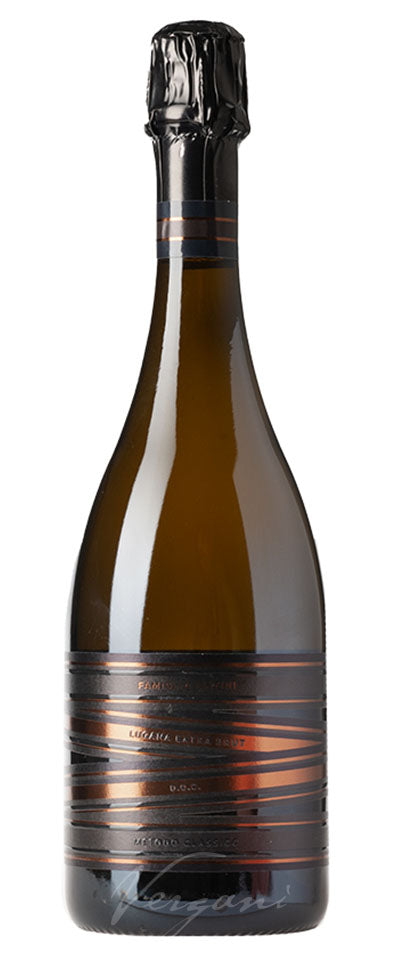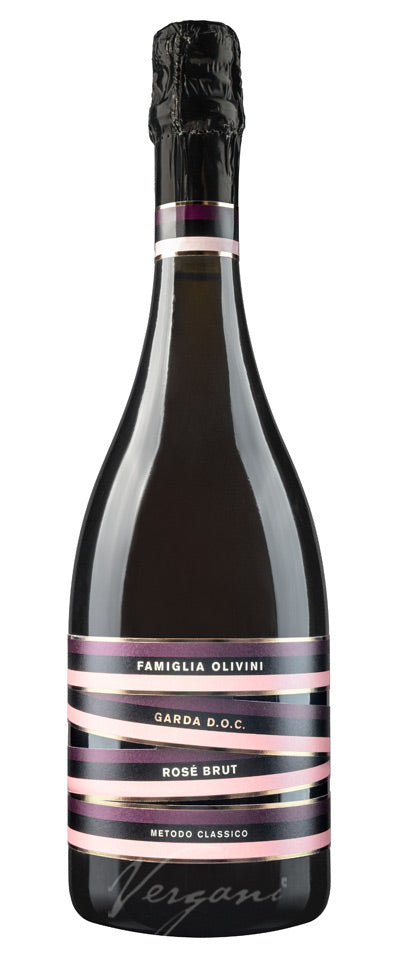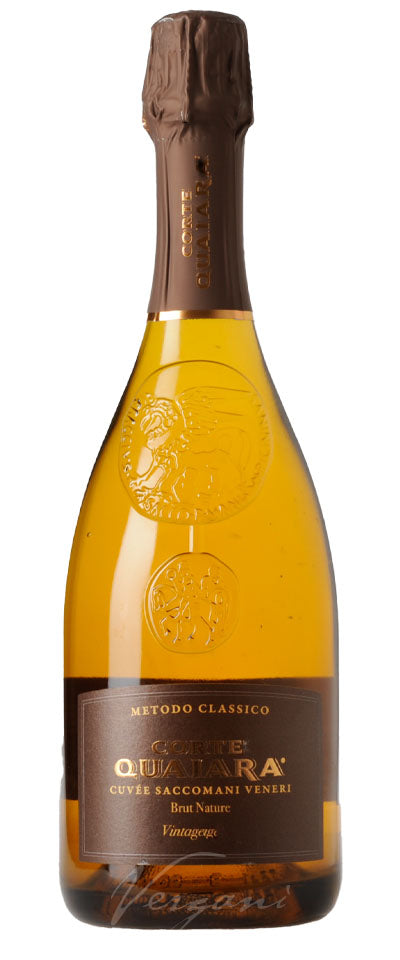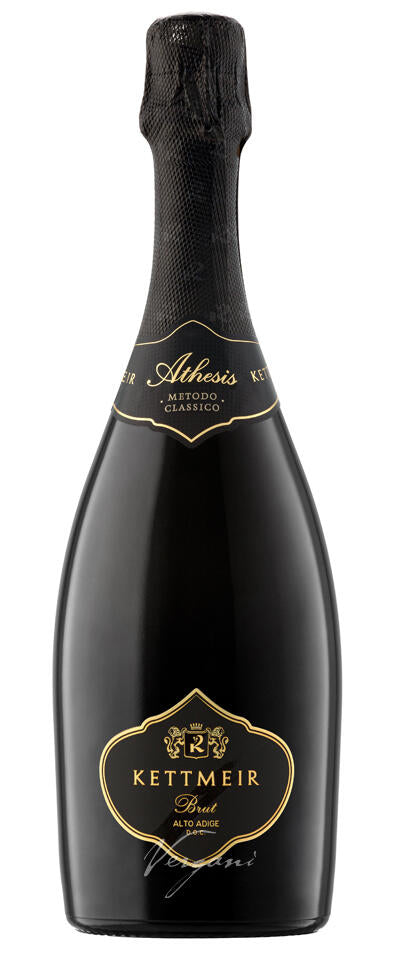


This time it gets a little nerdy, admittedly. It's about the term "Metodo Classico," which in Italy simply means the classic or traditional bottle fermentation method, known in France as "Méthode Traditionnelle."
At first glance, one thinks of Champagne, and that's exactly how the production method should proceed, although the term "Méthode Champenoise" cannot be used outside of Champagne. However, that doesn't mean it can't be used elsewhere. Quite the contrary, bottle fermentation is used everywhere, very often in Italy as well, and is also mandatory for the production of Cava. Ecco.
And before you ask: yes, there are also wines in the Prosecco region that undergo bottle fermentation, but they are the clear exception because Prosecco is known for a different aromatic profile. The aim is to find floral, fresh, and fruity notes on the nose, whereas with the "Metodo Classico" you're more likely to find notes of yeast, brioche, or bread.
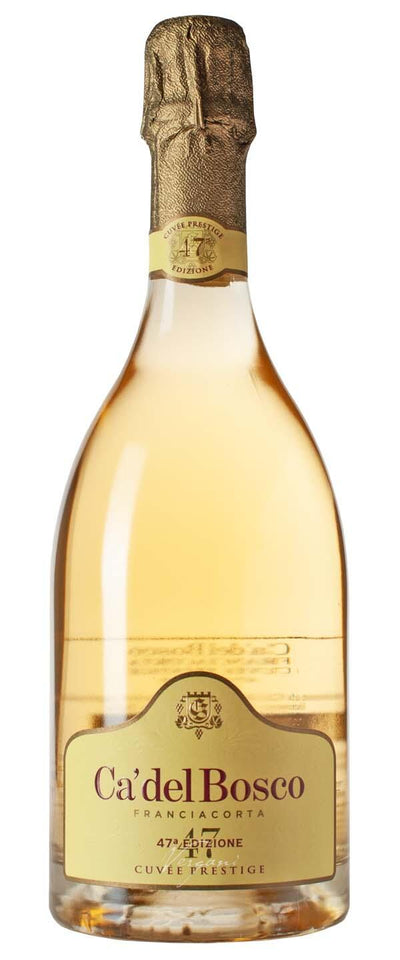
How does it work? In short, the still wine undergoes a second fermentation in the bottle with the addition of sugar and yeast. Because the bottle is sealed, carbon dioxide is produced that cannot escape – the so-called perlage. After a specific or defined period on the lees – some bottles (Ca' del Bosco) rest on the lees for up to ten years – these are removed using a special process. This is called disgorging. Essentially, the goal is to remove the yeast sediment so that the wine becomes clear, but without the carbon dioxide dissipating. For this to work, it has to happen quickly. After disgorging, the wine is topped up with the desired dosage (consisting of wine and sugar) and corked. This procedure represents craftsmanship, aging, and ultimately, quality.
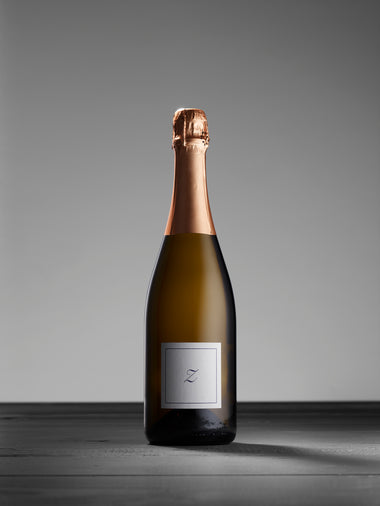
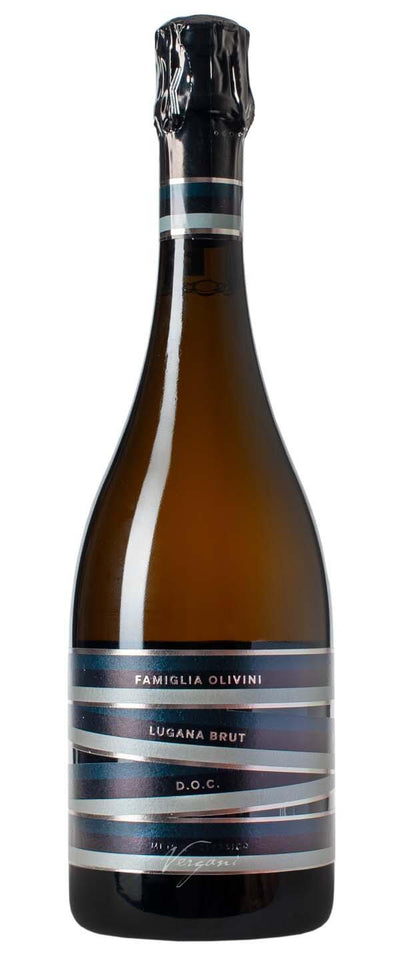
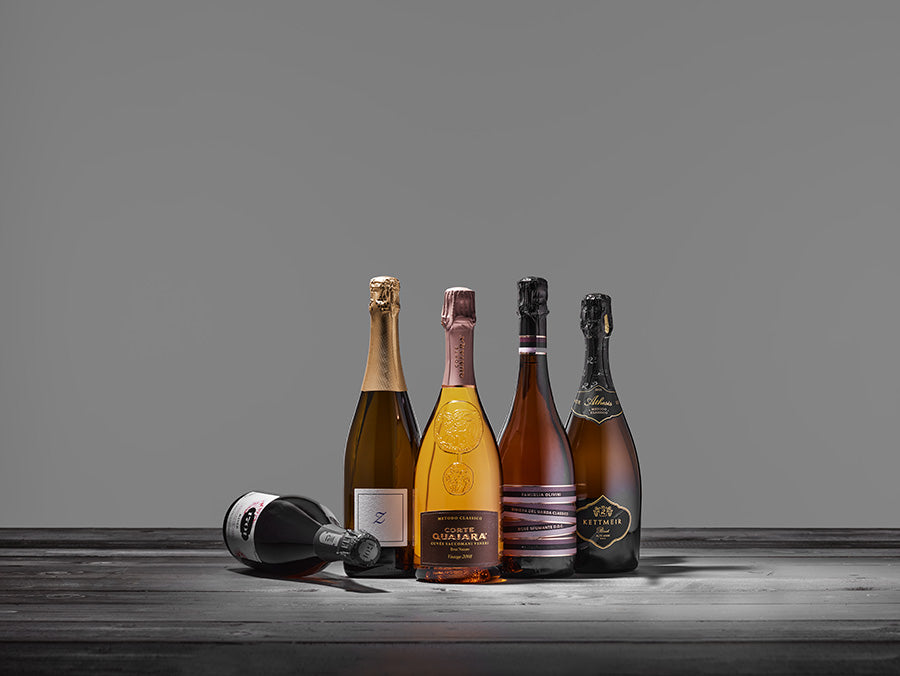
The Olivini family on Lake Garda has achieved this beautifully. They are the only ones, and the first, to use traditional bottle fermentation in the Lugana DOC. Their sparkling wines are superb. The whites are made from the Trebbiano di Lugana grape variety, while the rosé is made from Groppello, Marzemino, Sangiovese, and Barbera. The wines age on the lees for up to 36 months, for example, the Lugana Extra Brut Metodo Classico. These are sparkling wines that surprise even connoisseurs – partly because the "Metodo Classico" method is not common in this region. In Franciacorta, however, the classic bottle fermentation method, à la Champagne, has long been renowned. Great sparkling wines that mature in the bottle are therefore a symbol of quality, and yes: not all sparkling wines are created equal.
Your questions
We regularly receive interesting questions. Luana Del Rio, certified sommelier and head of the Vergani Accademia, answers them.
Should I drink the sparkling wine at the same temperature as the white wine?
Not necessarily, but sometimes! Sorry. Simpler wines and sparkling wines can always be served ice-cold, below 8 degrees Celsius. However, with increasing quality, a slightly warmer temperature should be respected so that the complex aromas can develop. Sparkling wines are generally drunk somewhat cooler than most white wines. More complex sparkling wines made using the "Metodo Classico" method are best served between 8 and 12 degrees Celsius.
Tabel:
|
15-18 °C |
Heavy, tannic red wines such as Barolo, Barbaresco, Brunello, Chianti, Bordeaux, Rioja, etc. |
|
12-15 °C |
Complex white wines aged in barrique |
|
10-13 °C |
Low-tannin , young red wines such as Swiss country wines |
|
6-1 2 °C |
White wines and sparkling wines |
|
6-8 °C |
All sweet wines |