


Sicily is unfathomable. The rich food culture that has developed here thanks to a variety of cultural influences remains unique. And the wines? They are in a state of change and renewal. A dynamic island trip.
There are many reasons to travel to the largest island in the Mediterranean. However, the everyday center of pleasure is most joyfully expressed in the pronounced food and drink culture. The day begins in Palermo in style with a Sicilian breakfast: coffee, almond granita, and brioche. A strangely fluffy-cold combination, but anyone who has tried it in the morning sun will never forget it. Of course, one could—or rather, must!—continue the sweet life from 10 a.m. and make a pilgrimage to the cloister church of Santa Caterina d’Alessandria. Beautifully hidden there you will find “I segreti del chiostro.” Sweet treats representing the traditional craftsmanship of the monastery pastry shop are sold there. It doesn’t get more authentic than this, and anyone who tries their freshly filled cannolo in the courtyard and looks around understands that the food culture on the island unites history, cultures, religion, tradition, craftsmanship, and the joy of good things. Those who love sweets will stay here.
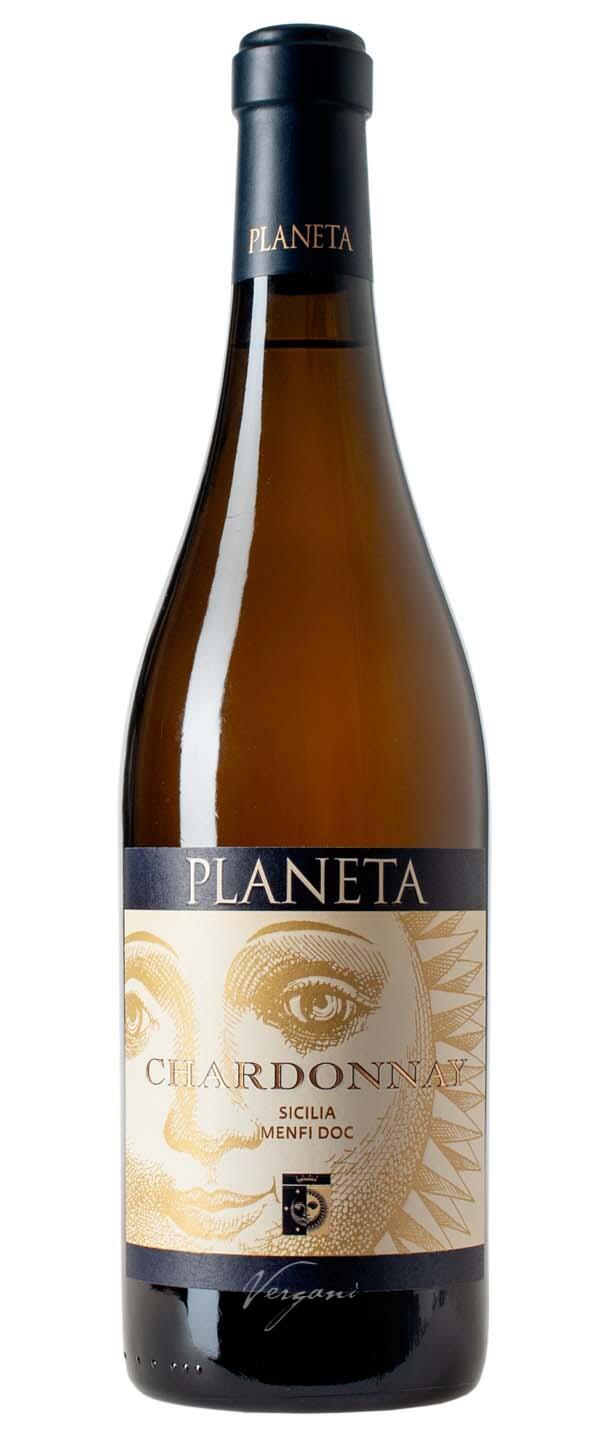
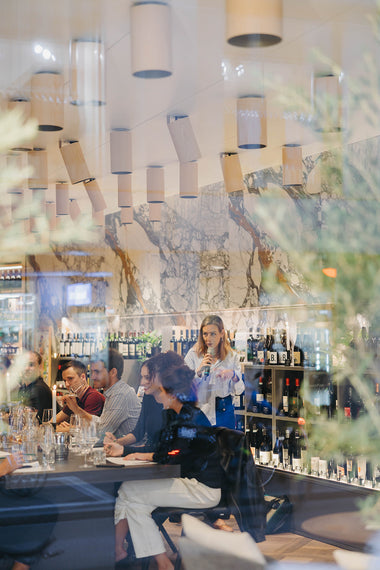
Those who want to discover the island’s wine world should come along. One thing is clear: anyone who wants to get to know Sicily’s treasures needs time. And a small car. The roads are adventurous, and there’s no need to elaborate further on the energetic driving style of southern Italians. It just is. Our first stop is a winery that has done a tremendous amount for the reputation of local wines: Planeta. Innovative. Sustainable. Hospitable. Diverse. Magnificent. Wine critic Luigi Veronelli already noted this in 1996. With that, Planeta’s Chardonnay became the epitome of the breakthrough and modern wine culture of Sicily. A wine icon for Italy. Planeta has by no means stood still. On the contrary. More and more vineyards, grape varieties, wines, and locations have been added. The winery knows only one direction: skyward. Today, each terroir has its own winery. Since 2022, all of them, as well as the grain, almond, and olive production, have been certified organic. It’s no wonder that Alessio Planeta was named “Winemaker of the Year” in 2023 by the international Wine Star Awards, becoming the fourth Italian to receive this honor. And the family’s story continues. To discover Planeta’s wine world, you need more than three days to visit the locations in Palermo, Capo Milazzo, Castiglione di Sicilia on Etna, Noto, Vittoria, and Menfi. They are spread around the island. Fortunately, you can experience the family’s warm hospitality at the various locations. From the Beach Club (Menfi) to the Palazzo (Palermo) and the private homes, everything can be enjoyed and tasted in perfect calm.
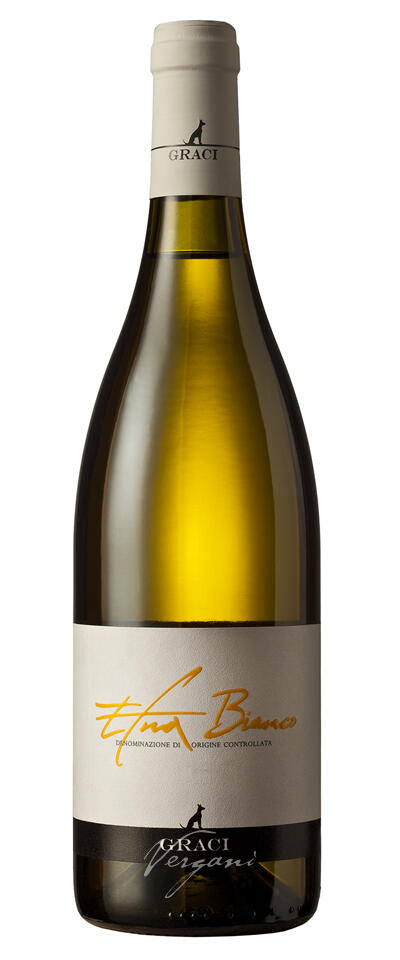
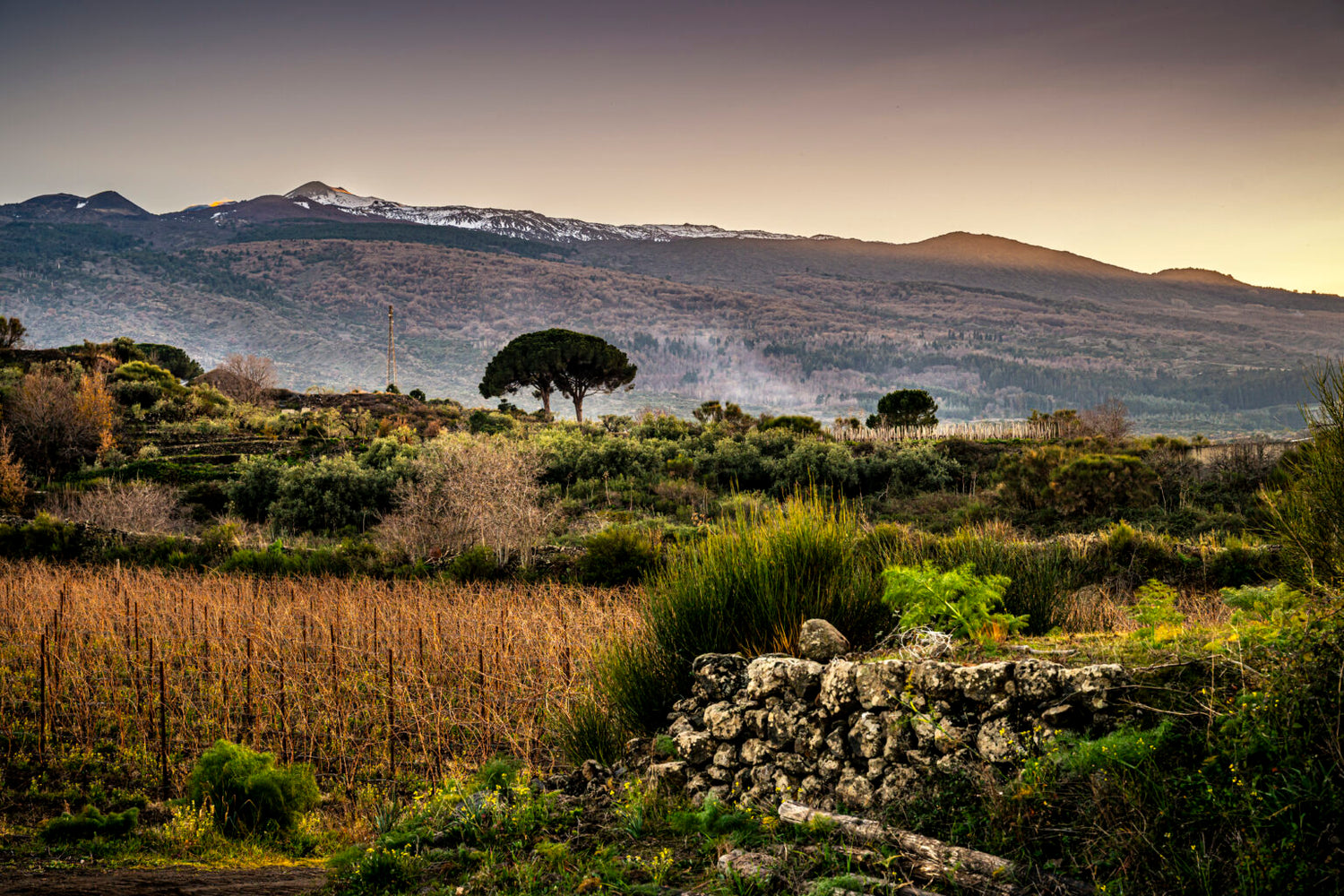
Similarly complex but much closer together are the vineyards of Graci. We are at the northern foot of Etna, in Passopisciaro, in the center of the Alcantara Valley, where time and the volcano have composed the soils so complexly that they can vary completely within a single vineyard. A fifty-meter difference results in a different wine. Fortunately, you can experience this in the glass at Graci, as this winery has completely specialized in the volcanic soils and sites of Etna. The vineyards are located in Contrada Muganazzi, Contrada Santo Spirito, Contrada Feudo di Mezzo, Contrada Arcurìa (and Vigna sopra il Pozzo), and Contrada Barbabecchi, at altitudes between 600 and 1000 meters above sea level. Here, three white wines, one rosé, and five red wines are produced with careful and classic winemaking techniques. Each expresses the natural microterroir and vintage typicity precisely and profoundly. A winery that you should definitely know, at least in the glass. At Graci, interventions in the cellar are kept to a minimum; the work happens in the vineyards, and no chemical agents are used there either. Anything that disturbs the balance and energy of the soil is avoided.
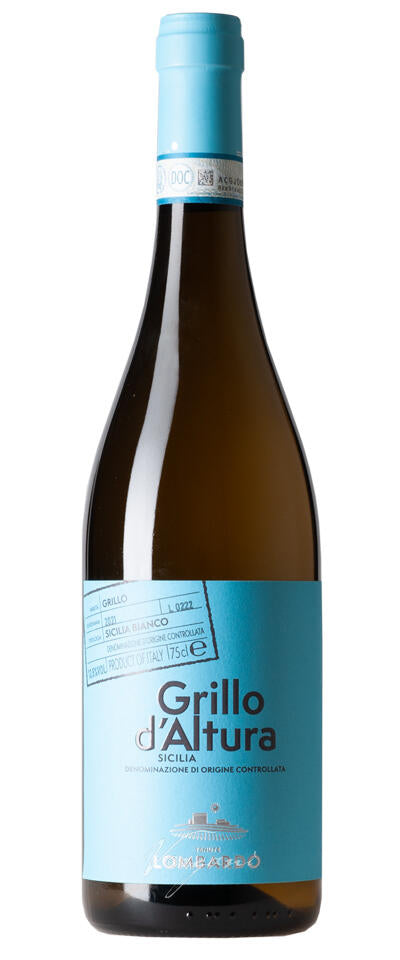
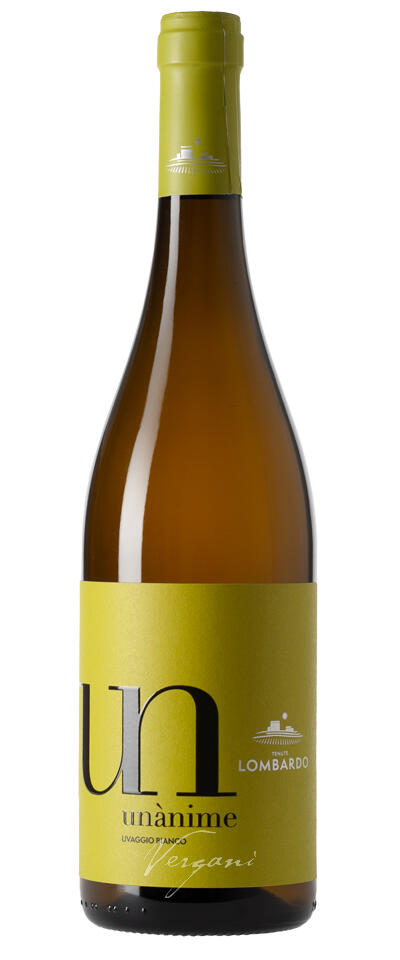
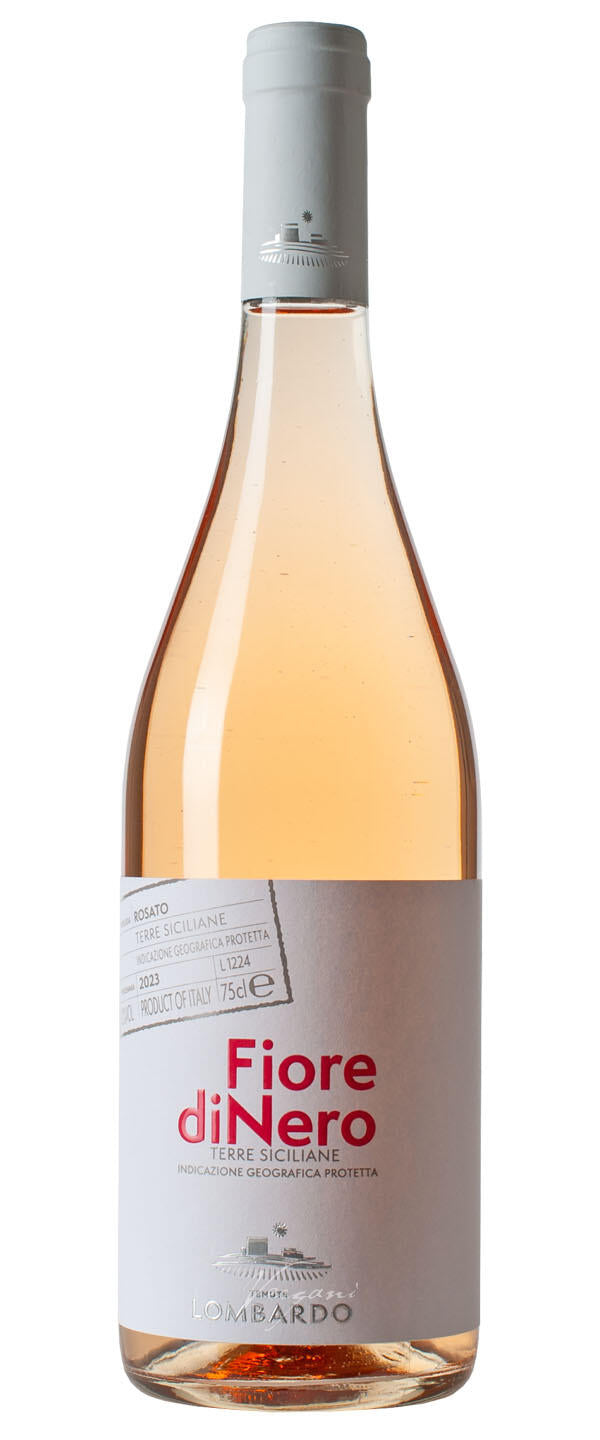
Impressive and harmonious, the estate (Sua Altezza) of the Lombardo family from the winery of the same name also presents itself this way. In 2013, they purchased the old farmhouse, restored it, and built a modern wine cellar inside. Nowhere else can you taste the wines of the passionate brothers Salvatore, Gianfranco, and Roberto more stylishly. Wood, technology, and tranquility are the main features of production, but here too, the wines are made in the vineyard. The grapes grow on 30 hectares, in six different locations, and at altitudes between 550 and 650 meters above sea level. This allows temperature differences between day and night of over 15 degrees, resulting in elegant, consistent, fresh, and often award-winning wines. More on this on page 5.
Now, with our small car, we could still visit the almost forgotten wines of Marsala, or cross over to the islands of Pantelleria or Lipari, or visit the legendary archaeological sites in Siracusa or Agrigento, or—and this will delight all fans of the Netflix series “Chef’s Table”—try a gelato by Corrado Assenza at Café Sicilia in baroque Noto. One thing is certain: Sicily remains unfathomable.