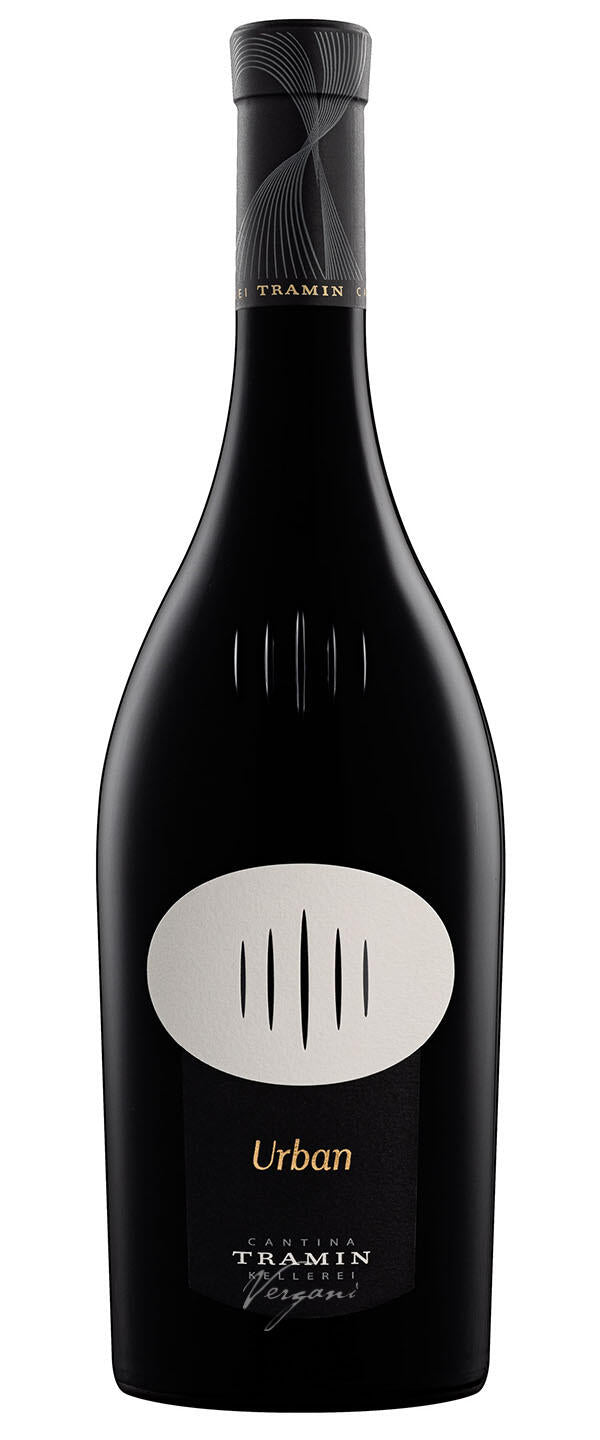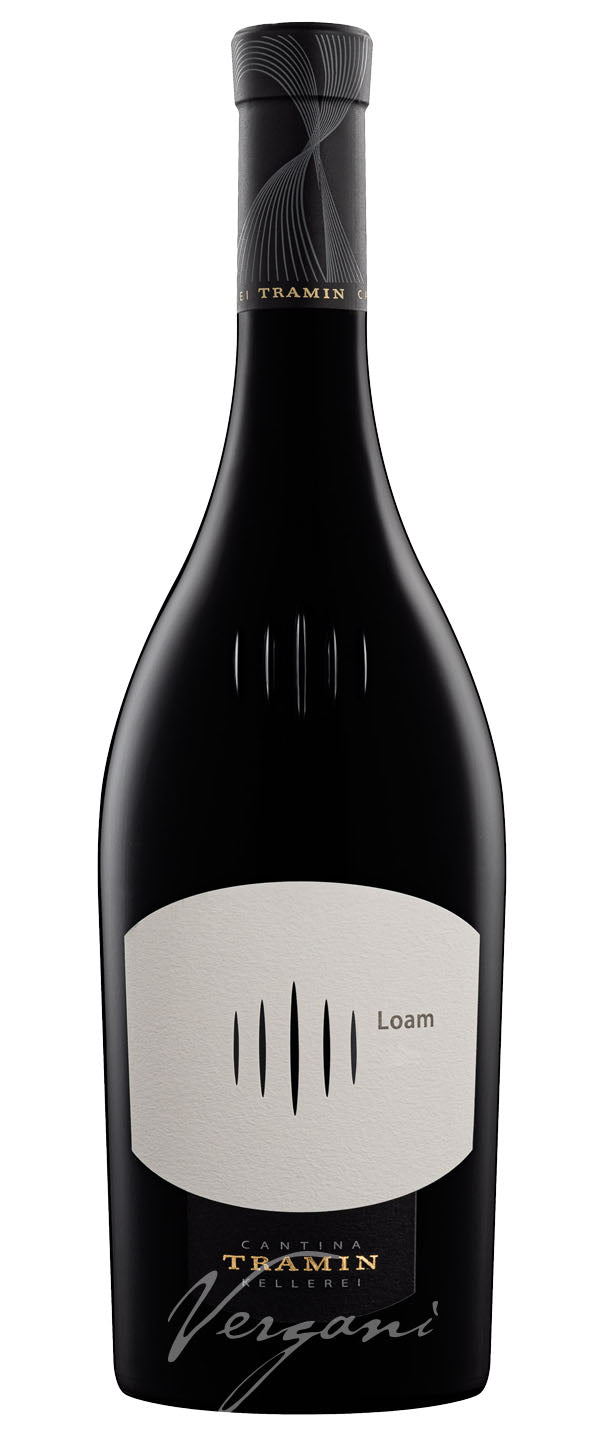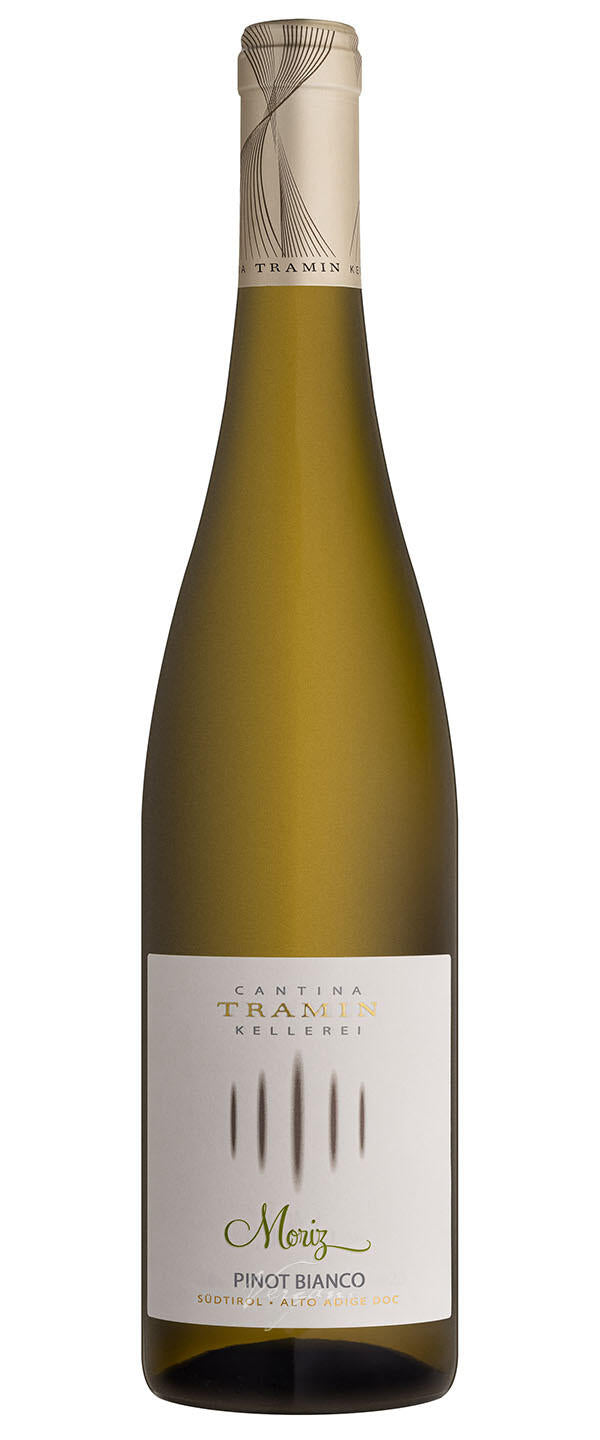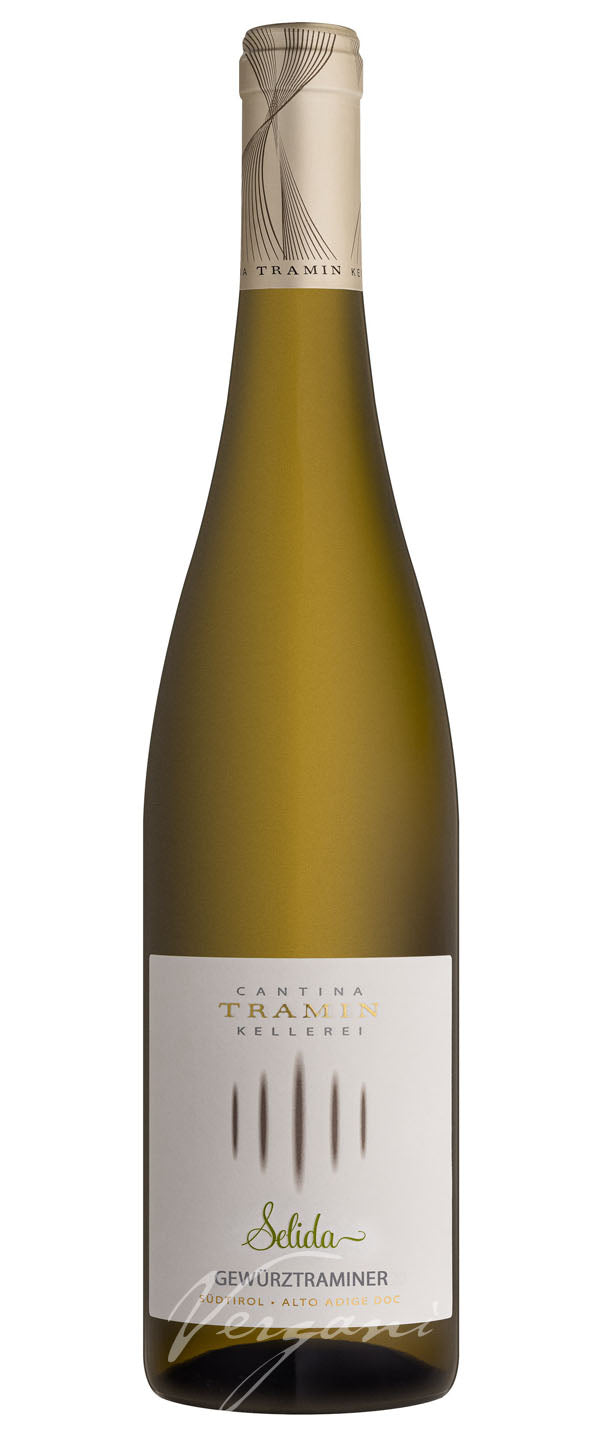



The incomparable microclimate between the Alps and the south, the diverse soils, 160 winemaker families, and the team at Cantina Tramin repeatedly cause a stir internationally. Time for a visit to South Tyrol.
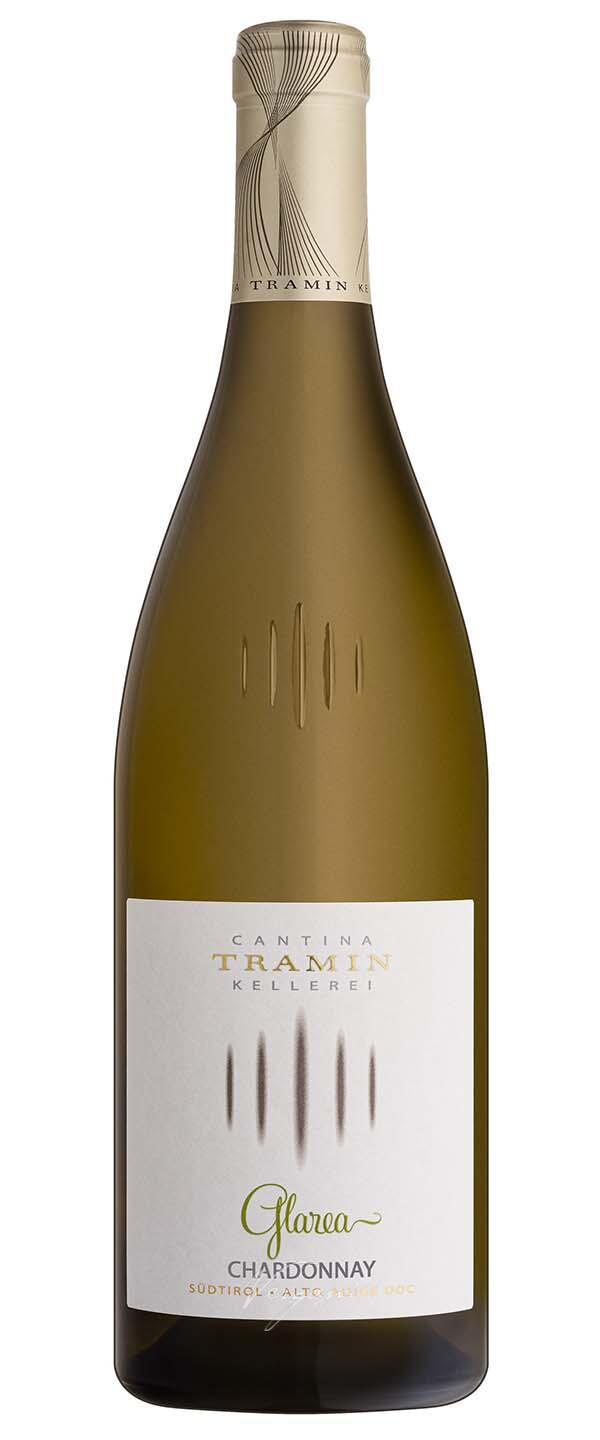
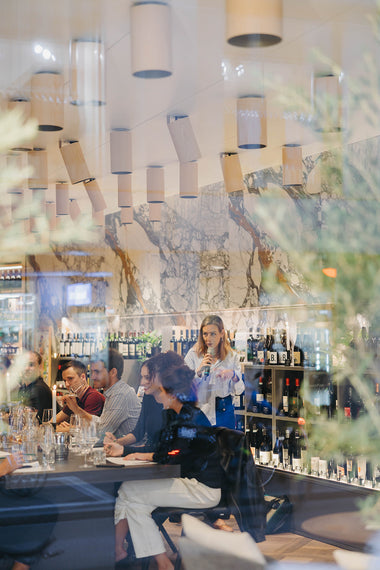
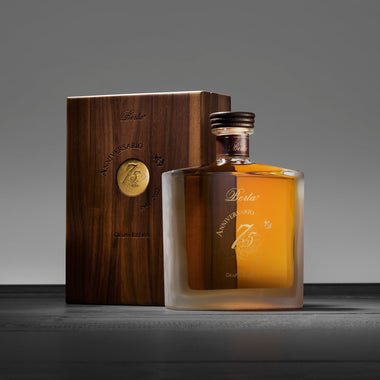
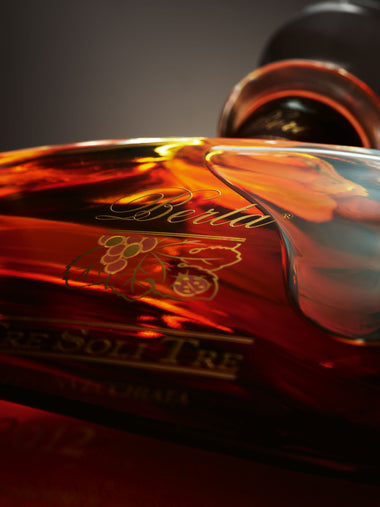
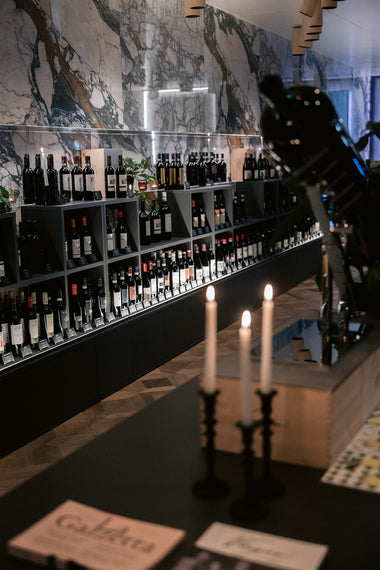
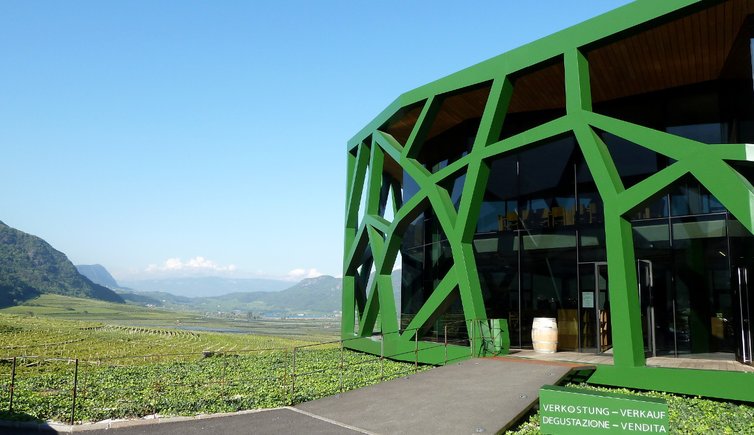
Tramin. South of Lake Caldaro. On the Wine Road, half an hour from Bolzano. It’s idyllic here. Vines, bustling activity. A lively winemaking village and right in the middle, an architectural eye-catcher. South Tyrolean architect Werner Tscholl created the sculptural building in 2010. It has become a landmark of the community and, even better: a meeting place for locals and tourists. We’re talking about Cantina Tramin. All in green. In the wine shop, you often meet winemakers who swear that Gewürztraminer is the best companion for people from late morning onwards. Life flows gently here, and one could almost forget reality in mild admiration. Wolfgang Klotz knows it well. He is the sales manager and has a flair for good stories. Cantina Tramin is a good story. In 2025, it was named the world’s best cooperative by the renowned trade magazine "Weinwirtschaft." It is responsible for the first white wine from Italy to be awarded 100 Parker points. This wine matures for eight years: seven years of aging for the 2,100 bottles take place in the old Poschhaussstollen mine in the Ridaun Valley, at the end of a four-kilometer-long tunnel, deep in the mountain, nearly 2,000 meters above sea level.
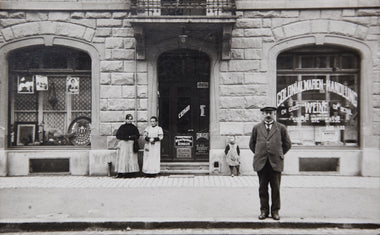
As mentioned, there are many good stories here. The story of the winery began in a time when winemakers had little perspective. In 1898, the village priest Christian Schott had the idea to unite the winemaker families, pool wine production, and market it themselves to achieve higher returns for the winemakers. Today, the cooperative model is recognized worldwide. However, in many cases, the image still lags when people think of cooperatives and their products. Admittedly, even in South Tyrol, for almost 100 years, the focus was mainly on yield rather than quality. But those times are long gone. Cantina Tramin is a prime example when it comes to quality and control. Not so easy with 160 winemaker families involved as cooperative members who cultivate around 270 hectares of vines in an environmentally friendly way. Responsible for this turnaround is cellar master Willi Stürz. He and his team produce around 1.9 million bottles of wine per year. "Wines that reflect our landscape," he says. But what does that mean?
For Wolfgang Klotz, it starts with the extraordinary climate. "It is optimal for people and vines," he says, subtly pointing to the over 2,000-year-old winemaking tradition in South Tyrol. In the Rheingau of the Alps, the south bids farewell to the north. This meeting of climate zones brings together an incomparable density of sun and warmth with cool temperatures and winds. The temperature play is made possible by the nearby Alps, but for alpine conditions, Tramin also has a sense of openness. In short: it is a unique climatic starting point. Not only, but especially for Gewürztraminer, which probably did not originate here but has found its home here. The microclimate is responsible for the vegetation in South Tyrol starting relatively late, so the harvest extends well into autumn. That is exactly what makes the difference, says Wolfgang Klotz. He talks about the difference between day and night temperatures before the harvest. "That’s exactly when the aromas develop in the grapes, and thanks to the temperature drop at night, the acidity and freshness are preserved," he explains. It is a natural interplay, the pairing of 300 days of sunshine with the cool alpine air. This creates smooth wines that are ideally ripe and fresh. As mentioned, exactly what Gewürztraminer and all Burgundy varieties like. And then there is the soil situation.
It is extreme. Dolomite limestone, gravel, loam soil, volcanic porphyry, and ancient rock soils are on offer. To the already complex puzzle, slate, gneiss, and granite are added. Geologically, the region with its over 150 different rock occurrences is also an exceptional case. One that is also a great opportunity for the wines of Cantina Tramin, because the altitude and soil structure on which the vines of the 160 winemaker families stand could not be more diverse. For cellar master Willi Stürz and his team, this is an incredible "gift." But there is something else that characterizes a motivated winemaker cooperative. The grape harvest can be delayed until the perfect moment. "That is a huge advantage because we can wait a long time," says Wolfgang Klotz. Once the starting signal for the harvest is given, the winemakers efficiently get to work in their manageable vineyards. Thanks to this structure of small landowners, the harvest is quick, which in turn ensures the best possible grape quality. "We produce with great attention to detail and focus on the little things," Klotz clarifies. His words make it clear that wine production at Cantina Tramin is a chain with many links that interlock and make success. Ideally, one should experience this on site. The doors are open. No appointment is needed; you simply enter the wine shop, look around, and taste the range. With a reservation, cellar tours are also possible. Afterwards, you can confidently consider whether the characterful Gewürztraminer is indeed the best companion for people or not.